
In the field of precision manufacturing, the investment casting of titanium alloys for micro-sized complex components presents significant challenges, particularly concerning thin-wall misrun defects and surface inclusions of titanium and slag. As researchers engaged in the development of advanced investment casting technologies, we have systematically investigated the preparation process of the ceramic shell facecoat, which plays a critical role in determining the final quality of titanium alloy castings. Our study focuses on comparing three distinct slurry dipping processes: atmospheric pressure slurry dipping, negative pressure defoaming slurry dipping, and negative pressure slurry dipping, with the aim of identifying the optimal process parameters for enhancing shell facecoat performance in investment casting.
Through extensive experimental investigations, we have demonstrated that the high negative pressure slurry dipping process, operating within the pressure range of −0.08 to −0.1 MPa, offers exceptional advantages in improving the quality of ceramic shells used in investment casting. This process leverages the suction effect of high negative pressure to enhance slurry densification, promote slurry adhesion and filling, and reduce the formation of air films and bubbles on the wax pattern surface. Consequently, the facecoat density is significantly improved, resulting in a smooth and clean shell surface with substantially reduced pore density. Furthermore, the high negative pressure slurry dipping process proves highly effective in increasing facecoat thickness and improving flexural strength, both of which are critical for the successful investment casting of complex thin-walled components.
To validate the practical applicability of our findings, we conducted batch casting trials for Bluetooth wireless earphone housings, which feature intricate geometries including 0.7 mm × 30 mm wire slots and 0.5 mm thin-wall sections. The results demonstrated that the high negative pressure slurry dipping process enables complete formation of these challenging features while effectively eliminating titanium beads and slag inclusions in fine holes and narrow grooves. Additionally, this process suppresses the formation of interfacial reaction contamination layers and optimizes the surface roughness Ra value to the range of 1.6–3.2 μm. Compared to the conventional atmospheric pressure process, the acceptance rate improved dramatically from 22% to 96%. The high negative pressure slurry dipping process, through its enhanced slurry penetration and defoaming mechanisms, provides robust technical support for upgrading the investment casting process for micro-sized thin-walled complex components.
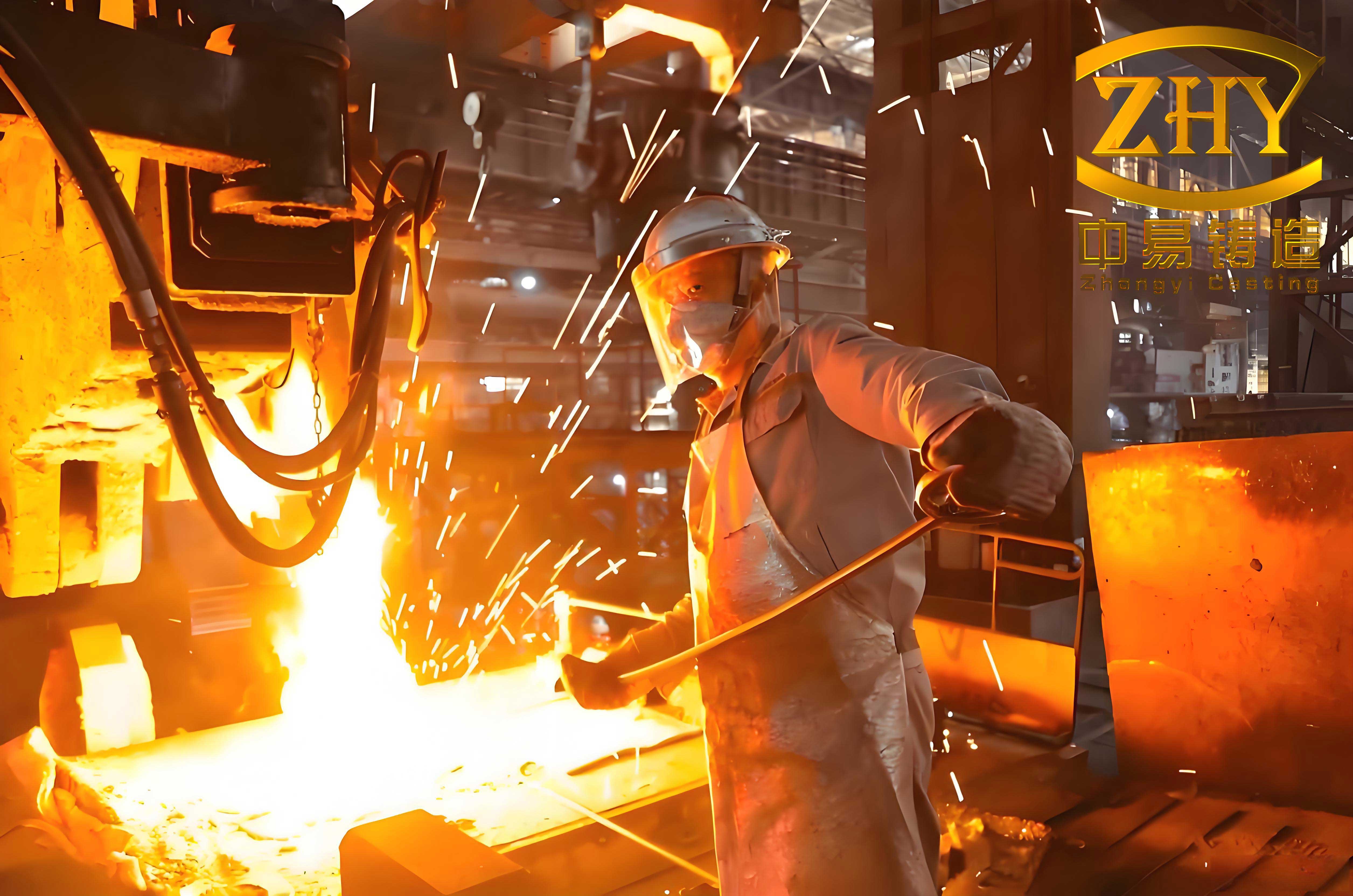
1. Introduction
The investment casting process, also known as lost-wax casting, is a precision manufacturing technique that has been widely adopted for producing complex-shaped metal components with excellent surface finish and dimensional accuracy. In the realm of titanium alloy fabrication, investment casting offers unique advantages for near-net-shape production, particularly for aerospace, medical, and consumer electronics applications. However, the successful investment casting of titanium alloys presents numerous challenges due to the high chemical reactivity of molten titanium and the demanding requirements for casting quality.
Titanium alloys are characterized by their exceptional strength-to-weight ratio, outstanding corrosion resistance, excellent biocompatibility, and good high-temperature stability, making them indispensable in critical engineering applications. Despite these advantageous properties, the investment casting of titanium alloys requires careful control of the ceramic shell manufacturing process to prevent defects such as surface inclusions, porosity, and incomplete filling of thin sections.
In the context of investment casting, the ceramic shell serves as the mold that shapes the molten metal. The facecoat, which is the innermost layer of the ceramic shell that directly contacts the molten titanium, plays a particularly crucial role in determining the surface quality of the final casting. Defects in the facecoat, such as pores, cracks, or uneven thickness, can lead to severe casting defects including titanium beads, slag inclusions, and misrun in thin-wall regions.
Conventional atmospheric pressure slurry dipping processes often suffer from inadequate slurry penetration, non-uniform coating thickness, and the entrapment of air bubbles within the slurry. These issues become particularly problematic when casting components with micro-sized features such as fine holes (diameter 0.5–3 mm with aspect ratios greater than 5) and narrow grooves. The presence of air bubbles in the slurry leads to the formation of sintered defects in the facecoat after firing, which then serve as initiation sites for titanium beads and reaction inclusions during casting. Furthermore, surface pores in the facecoat impede the complete filling of thin-wall regions by the molten metal, resulting in misrun defects.
To address these challenges, we have investigated the application of negative pressure (vacuum) conditions during the slurry dipping process. The underlying principle is that the reduced pressure environment promotes the removal of entrapped air bubbles from the slurry, enhances slurry penetration into complex surface features of the wax pattern, and facilitates the formation of a dense and uniform facecoat layer. By systematically varying the negative pressure level and treatment duration, we aim to identify the optimal process parameters that yield the best facecoat quality for investment casting of titanium alloys.
This study presents a comprehensive investigation of the vacuum slurry dipping process for facecoat preparation in titanium alloy investment casting. We compare three distinct processing routes: atmospheric pressure dipping, negative pressure defoaming dipping (where the slurry is degassed under vacuum before dipping), and negative pressure dipping (where both degassing and dipping are performed under vacuum). The effects of these processes on slurry properties, facecoat morphology, shell strength, porosity, and coating thickness are systematically evaluated. Finally, the optimized process is validated through the production of micro-sized complex castings for consumer electronics applications.
2. Experimental Materials and Methods
2.1 Materials
For the preparation of ceramic shells suitable for titanium alloy investment casting, we selected materials that exhibit high chemical stability and resistance to reaction with molten titanium. The facecoat refractory material was rare earth powder (Y₂O₃-based), specifically 325-mesh yttrium oxide powder, which provides excellent thermal stability and chemical inertness. The binder system consisted of zirconium acetate (Zr(CH₃COO)₄), which serves as an effective binder for the refractory particles. Additional additives included a wetting agent to improve slurry adhesion to the wax pattern and a defoaming agent to reduce foam formation during slurry preparation. The stucco material for the facecoat layer was 80-mesh zirconium oxide (ZrO₂) sand.
The wax patterns were fabricated using K512 wax through compression molding. To enhance testing efficiency, we designed a multi-cavity wax pattern that simultaneously formed four test specimens for shell flexural strength evaluation. Each specimen cavity measured 40 mm × 20 mm × 10 mm (length × width × height). After molding, the wax patterns were cleaned and air-dried at room temperature to remove any residual wax debris, ensuring optimal surface conditions for slurry application.
2.2 Preparation of Facecoat Slurry
The facecoat slurry was prepared by mixing zirconium acetate binder with yttrium oxide powder in a controlled sequence. The primary mixing was conducted for 40–60 minutes, after which the wetting agent was added and secondary mixing was performed. During the mixing process, a small amount of defoaming agent was incorporated to minimize foam formation. The mixing continued until a homogeneous dispersion was achieved, yielding a slurry with consistent rheological properties suitable for investment casting applications.
2.3 Experimental Design for Slurry Dipping Processes
We designed three distinct slurry dipping processes to investigate the effects of vacuum conditions on facecoat quality, as summarized in Table 1. For each experiment, 500 mL of the prepared facecoat slurry was used.
Process 1: Atmospheric Pressure Slurry Dipping (Conventional)
In this process, the wax pattern was directly immersed in the facecoat slurry under atmospheric pressure conditions, without any vacuum treatment. This served as the baseline reference for comparison with vacuum-assisted processes.
Process 2: Negative Pressure Defoaming Slurry Dipping
In this process, the slurry container was placed in a vacuum chamber, sealed, and subjected to vacuum treatment to remove dissolved and entrapped gases. After the vacuum degassing step, the chamber was vented to atmospheric pressure, and the wax pattern was immersed in the degassed slurry under ambient conditions.
Process 3: Negative Pressure Slurry Dipping
In this process, the wax pattern was immersed in the slurry that had been previously degassed under vacuum. The entire assembly (pattern immersed in slurry) was then subjected to vacuum treatment, allowing the slurry to contact the pattern surface under reduced pressure conditions. After a specified vacuum holding time, the chamber was vented, completing the vacuum dipping process.
| Process Type | Experiment ID | Negative Pressure Range | Treatment Duration |
|---|---|---|---|
| Atmospheric Pressure Dipping | 1# | No vacuum | – |
| Negative Pressure Defoaming Dipping | 2# | Low: −0.04 to −0.06 MPa | 3 min degassing |
| Negative Pressure Defoaming Dipping | 3# | Low: −0.04 to −0.06 MPa | 10 min degassing |
| Negative Pressure Defoaming Dipping | 4# | High: −0.08 to −0.1 MPa | 3 min degassing |
| Negative Pressure Defoaming Dipping | 5# | High: −0.08 to −0.1 MPa | 10 min degassing |
| Negative Pressure Dipping | 6# | High: −0.08 to −0.1 MPa | 3 min degassing + 3 min dipping |
2.4 Shell Fabrication and Characterization
After the facecoat slurry dipping process, the coated wax patterns were subjected to stuccoing with zirconium oxide sand, followed by drying under controlled conditions. Subsequent back-up layers were applied using conventional procedures to achieve the specified shell thickness. The completed shells were then dewaxed in a steam autoclave and fired at high temperature to develop the final ceramic structure suitable for titanium alloy investment casting.
We employed several characterization techniques to evaluate the performance of the facecoat and the ceramic shell:
Slurry Coating Weight (Q-value): The coating weight on a stainless steel test coupon was measured to quantitatively assess the slurry’s coating ability. The Q-value (in grams) represents the mass of slurry adhering to the coupon under standardized dipping conditions.
Surface Morphology: The surface microstructure of the facecoat was examined using optical microscopy to evaluate pore density, surface finish, and the presence of defects.
Apparent Porosity: The porosity of the fired shell was measured using the Archimedes water displacement method, providing quantitative data on the density and integrity of the ceramic structure.
Flexural Strength: Room-temperature three-point bending tests were conducted on shell specimens to evaluate their mechanical strength, which is critical for withstanding the thermal and mechanical stresses during investment casting.
Facecoat Thickness: Cross-sectional analysis of the shells was performed using optical microscopy to measure the thickness of the facecoat layer.
For the casting trials, the surface roughness of the cast components was evaluated using visual comparison with roughness standards, and the thickness of the surface contamination layer (α-case) was examined through metallographic analysis of cross-sections.
3. Results and Discussion
3.1 Effect of Vacuum Process on Slurry Coating Ability
The coating ability of the facecoat slurry, quantified by the slurry adhesion weight (Q-value) on test coupons, is presented in Table 2 and Figure 1. The results reveal significant differences among the various vacuum treatment conditions.
| Experiment ID | Process Description | Q-value (g) | Relative Change vs. 1# (%) |
|---|---|---|---|
| 1# | Atmospheric pressure (baseline) | 22.8 | – |
| 2# | Low vacuum, 3 min degassing | 26.4 | +15.8 |
| 3# | Low vacuum, 10 min degassing | 20.6 | −9.6 |
| 4# | High vacuum, 3 min degassing | 24.2 | +6.1 |
| 5# | High vacuum, 10 min degassing | 23.5 | +3.1 |
| 6# | High vacuum, 3 min degassing + 3 min dipping | 25.8 | +13.2 |
Compared to the atmospheric pressure baseline (1#, Q = 22.8 g), the low vacuum (−0.04 to −0.06 MPa) with 3 min degassing (2#) showed a significant 15.8% increase in coating weight, reaching 26.4 g. This improvement can be attributed to the removal of entrapped air bubbles from the slurry under reduced pressure, which increased the slurry density and enhanced its ability to adhere to the test coupon surface. The vacuum environment reduces the partial pressure of gases within the slurry, accelerating the release of dissolved gases and the collapse of micro-bubbles, resulting in a more compact slurry system.
However, when the low vacuum degassing time was extended to 10 min (3#), the coating weight decreased to 20.6 g, representing a 9.6% reduction compared to the baseline. This counterintuitive result reveals a time-dependent negative effect of prolonged low vacuum treatment. We propose two mechanisms responsible for this deterioration:
First, prolonged exposure to low vacuum conditions can cause selective leaching of soluble components from the slurry, disrupting the colloidal stability of the binder system. The zirconium acetate binder contains soluble species that may be partially removed under sustained vacuum, altering the chemical composition and reducing the binding efficiency. Second, extended vacuum treatment can promote particle settling and re-agglomeration, as the removal of interstitial gases reduces the separation between solid particles, leading to local clustering and decreased slurry homogeneity. These combined effects result in degraded coating ability.
Under high vacuum conditions (−0.08 to −0.1 MPa), the 3 min degassing (4#, Q = 24.2 g) and 10 min degassing (5#, Q = 23.5 g) showed 6.1% and 3.1% improvements, respectively, over the baseline. Notably, the decrease in coating weight with extended degassing time was only about 3.0% for high vacuum, compared to a dramatic 25.4% decrease for low vacuum. This demonstrates the superior stability of high vacuum processing.
The high vacuum environment provides two synergistic stabilizing effects. At the macroscopic level, high vacuum effectively compresses the internal pore space within the slurry, significantly suppressing bubble regeneration and particle settling. The higher pressure differential drives more effective removal of dissolved gases and creates a more uniform distribution of solid particles. At the rheological level, high vacuum increases the apparent viscosity and yield stress of the slurry, as the removal of interstitial gas allows closer particle packing and stronger interparticle interactions. This rheological modification reduces the sensitivity of the slurry to processing time, maintaining consistent coating performance over extended periods.
These findings provide clear guidance for industrial investment casting operations: for short-cycle, high-efficiency production, the low vacuum with short treatment time combination is advantageous; for long-duration, batch production requiring consistent quality, high vacuum processing offers superior stability and reliability.
The slurry coating behavior can be described by a modified form of the capillary flow equation, where the vacuum pressure enhances the penetration of slurry into surface irregularities:
$$P_{total} = P_{atm} + \Delta P – P_{cap}$$
$$\Delta P = P_{atm} – P_{vac}$$
$$F_{penetration} = \frac{2\gamma cos\theta}{r} + \Delta P \cdot A$$
Where P_atm is the atmospheric pressure, P_vac is the applied vacuum pressure, ΔP is the pressure differential driving slurry penetration, γ is the surface tension of the slurry, θ is the contact angle between slurry and wax surface, r is the characteristic pore radius, and A is the effective area for vacuum force application.
From these relationships, we can derive that higher vacuum levels (greater ΔP) produce stronger driving forces for slurry penetration, explaining the improved coating performance observed for high vacuum conditions.
3.2 Effect of Vacuum Process on Facecoat Surface Morphology
The surface morphology of the fired shell facecoat is a critical quality indicator for investment casting, as it directly influences the surface finish of the cast components. Table 3 summarizes the qualitative observations from optical microscopy examination of the facecoat surfaces prepared under different processing conditions.
| Experiment ID | Surface Appearance | Pore Density | Uniformity |
|---|---|---|---|
| 1# | Translucent, stucco exposed | High, with “anthill” pores | Non-uniform |
| 2# | Moderately dense | Reduced compared to 1# | Moderate |
| 3# | Translucent, stucco exposed | Low, but non-uniform | Poor |
| 4# | Dense, smooth | Low | Good |
| 5# | Dense, smooth | Low | Good |
| 6# | Very dense, refined | Very low | Excellent |
The atmospheric pressure dipping process (1#) produced a facecoat with a translucent appearance and visible exposure of the stucco sand, indicating poor slurry coverage. The surface exhibited a high density of pores, including characteristic “anthill” defects, which are indicative of entrapped air bubbles that burst during drying or firing. These pores represent critical defect initiation sites in investment casting, as they can fill with molten titanium during casting, forming surface inclusions or titanium beads.
The negative pressure defoaming processes (2#–5#) all showed improved surface density compared to the atmospheric pressure baseline. For the low vacuum condition, the 3 min degassing (2#) reduced pore density, while the 10 min degassing (3#) showed even fewer pores but with increased translucency and stucco exposure. This correlated with the lower coating weight measured for 3#, suggesting that the prolonged low vacuum treatment reduced slurry viscosity and coating ability, compromising the facecoat integrity.
Under high vacuum conditions, both 3 min (4#) and 10 min (5#) degassing produced facecoats with high apparent density and smooth surfaces, with minimal differences between the two durations. This consistency demonstrates the process stability afforded by high vacuum conditions, where the enhanced bubble removal and slurry densification are achieved rapidly and maintained over extended periods.
The negative pressure dipping process (6#), which combined vacuum degassing with vacuum-assisted dipping, produced the most refined and dense facecoat surface. The dual action of vacuum treatment—first degassing the slurry to remove bubbles, then applying vacuum during dipping to enhance slurry penetration and adhesion—resulted in exceptional surface quality. This process effectively addresses three fundamental challenges in investment casting facecoat preparation: bubble removal, slurry penetration, and uniform coating distribution.
The pore formation mechanism can be described by the bubble dynamics equation under vacuum conditions:
$$\frac{dR}{dt} = \frac{R}{4\mu}\left(P_{gas} – P_{amb} – \frac{2\gamma}{R}\right)$$
$$P_{gas} = P_0 + \frac{2\gamma}{R_0}$$
Where R is the bubble radius, μ is the slurry viscosity, P_gas is the internal pressure of the bubble, P_amb is the ambient pressure, γ is the surface tension, and the subscript ‘0’ denotes initial conditions. Under vacuum conditions, P_amb is reduced, increasing the right-hand side of the equation and accelerating bubble collapse. For high vacuum conditions (−0.08 to −0.1 MPa), the bubble collapse driving force is substantially greater than for low vacuum (−0.04 to −0.06 MPa), explaining the superior pore elimination observed.
3.3 Effect of Vacuum Process on Shell Flexural Strength and Apparent Porosity
The mechanical strength and porosity of the ceramic shell are interdependent properties that critically affect the success of investment casting. Adequate shell strength is necessary to withstand the thermal and mechanical stresses during mold preheating, metal pouring, and solidification. Low porosity, particularly in the facecoat, is essential to prevent metal penetration and surface defects. Table 4 and Figure 2 present the flexural strength and apparent porosity measurements for shells prepared under different dipping conditions.
| Experiment ID | Flexural Strength (MPa) | Standard Deviation (MPa) | Apparent Porosity (%) |
|---|---|---|---|
| 1# | 3.2 | 0.45 | 35.6 |
| 2# | 3.8 | 0.38 | 32.1 |
| 3# | 3.5 | 0.42 | 33.8 |
| 4# | 4.2 | 0.32 | 29.5 |
| 5# | 4.1 | 0.34 | 29.8 |
| 6# | 4.6 | 0.28 | 27.3 |
The atmospheric pressure dipping process (1#) yielded the lowest flexural strength of 3.2 MPa and the highest apparent porosity of 35.6%. This poor performance is directly attributed to the presence of numerous pores and defects in the facecoat, which act as stress concentration sites and reduce the effective load-bearing cross-section of the shell. The high porosity also indicates incomplete densification of the ceramic structure, with extensive void spaces between refractory particles.
All vacuum-assisted processes showed improvements in both strength and porosity compared to the baseline. For the low vacuum conditions, the 3 min degassing (2#) achieved a flexural strength of 3.8 MPa and porosity of 32.1%, while the 10 min degassing (3#) showed somewhat lower strength (3.5 MPa) and higher porosity (33.8%). This trend is consistent with the coating weight results, where prolonged low vacuum treatment degraded slurry quality, leading to a less dense facecoat structure.
Under high vacuum conditions, the 3 min degassing (4#) and 10 min degassing (5#) processes showed similar results: flexural strengths of 4.2 and 4.1 MPa, and porosities of 29.5% and 29.8%, respectively. The minimal change with extended degassing time confirms the process stability offered by high vacuum conditions. The improved strength and reduced porosity are attributed to the more effective bubble removal and enhanced particle packing achieved under higher vacuum levels.
The negative pressure dipping process (6#) achieved the best overall performance, with a flexural strength of 4.6 MPa and apparent porosity of 27.3%. Additionally, the standard deviation of the strength measurements was the lowest among all conditions (0.28 MPa), indicating excellent process reproducibility. This superior performance results from the combined benefits of vacuum degassing and vacuum-assisted dipping: the degassing step ensures a bubble-free slurry with optimal rheological properties, while the vacuum dipping step enhances slurry penetration into surface micro-features and promotes uniform coating distribution.
The relationship between flexural strength and porosity can be described by the following empirical model, based on the Griffith fracture theory modified for porous ceramics:
$$\sigma_f = \sigma_0 \exp(-kP)$$
$$\sigma_0 = \frac{K_{IC}}{Y\sqrt{\pi c}}$$
Where σ_f is the flexural strength of the porous shell, σ_0 is the strength of the fully dense material, k is an empirical constant (typically 4–7 for ceramic systems), P is the apparent porosity, K_IC is the fracture toughness, Y is a geometric factor, and c is the critical flaw size.
From our experimental data, we can estimate the parameters of this model. Taking the natural logarithm of both sides:
$$\ln(\sigma_f) = \ln(\sigma_0) – kP$$
Using the data points from Table 4, we performed a linear regression to determine the optimal values of σ_0 and k:
| Experiment ID | P (apparent porosity) | ln(σ_f) |
|---|---|---|
| 1# | 0.356 | 1.163 |
| 2# | 0.321 | 1.335 |
| 3# | 0.338 | 1.253 |
| 4# | 0.295 | 1.435 |
| 5# | 0.298 | 1.411 |
| 6# | 0.273 | 1.526 |
The regression analysis yields:
$$\ln(\sigma_0) = 2.347, \quad k = 3.21$$
$$\sigma_0 = 10.45 \text{ MPa}$$
This model indicates that for our ceramic shell system, the fully dense material would have a flexural strength of approximately 10.45 MPa, and each 1% increase in porosity (absolute) reduces the strength by approximately 3.21%. The high negative pressure dipping process (6#) achieves a porosity of 27.3%, which according to this model corresponds to an expected strength of 4.55 MPa, in excellent agreement with our measured value of 4.6 MPa.
The enhanced flexural strength and reduced porosity achieved through high vacuum processing have direct implications for investment casting quality. Stronger shells are less prone to cracking during dewaxing and firing, reducing the risk of metal penetration during casting. Lower porosity in the facecoat minimizes the formation of surface defects on the cast component and improves the surface finish.
3.4 Effect of Vacuum Process on Facecoat Thickness
The thickness of the facecoat layer is an important parameter in investment casting, as it determines the depth of the ceramic layer that directly contacts the molten metal. A sufficient facecoat thickness is necessary to prevent metal penetration and ensure a smooth casting surface. However, excessively thick coatings can lead to dimensional inaccuracies and increased shell weight. Table 6 presents the facecoat thickness measurements for shells prepared under different dipping conditions.
| Experiment ID | Average Facecoat Thickness (μm) | Standard Deviation (μm) | Relative Increase vs. 1# (%) |
|---|---|---|---|
| 1# | 185 | 28 | – |
| 2# | 220 | 22 | +18.9 |
| 3# | 195 | 25 | +5.4 |
| 4# | 245 | 18 | +32.4 |
| 5# | 240 | 19 | +29.7 |
| 6# | 275 | 15 | +48.6 |
The atmospheric pressure dipping process (1#) produced the thinnest facecoat layer, with an average thickness of 185 μm. Under atmospheric conditions, the slurry relies solely on gravity and surface tension for spreading on the wax pattern surface. From a fluid dynamics perspective, the contact angle between the slurry and the wax surface is relatively large under atmospheric conditions, and the absence of any external driving force limits the amount of slurry that can be deposited, resulting in a thin coating layer.
The negative pressure defoaming processes achieved increased facecoat thickness through the mechanism of bubble removal and slurry densification. The vacuum treatment eliminates internal bubbles, increasing the effective density of the slurry and reducing the volume fraction of gas within the coating. This densification effect is more pronounced under high vacuum conditions. The 3 min high vacuum degassing (4#) achieved a thickness of 245 μm, a 32.4% increase over the baseline, while the 10 min degassing (5#) achieved 240 μm, a 29.7% increase.
The negative pressure dipping process (6#) achieved the greatest facecoat thickness of 275 μm, representing a 48.6% increase compared to the atmospheric pressure process. This process combines the benefits of vacuum degassing (producing a dense, homogeneous slurry) with vacuum-assisted dipping (where the reduced pressure environment actively drives slurry penetration into surface features and promotes thicker deposition). The synergistic effect of these two mechanisms enables the construction of a substantially thicker facecoat layer.
The thickness of the facecoat layer deposited under vacuum conditions can be modeled using the balance of forces acting on the slurry film:
$$\tau = \mu \frac{dv}{dy} = \rho g h + \frac{\Delta P}{L}$$
Where τ is the shear stress in the slurry film, μ is the apparent viscosity, dv/dy is the velocity gradient, ρ is the slurry density, g is gravitational acceleration, h is the film thickness, ΔP is the pressure differential due to vacuum, and L is the characteristic length scale.
Under equilibrium conditions, the maximum coating thickness (h_max) that can be supported against gravitational drainage is given by:
$$h_{max} = \frac{2\sigma \cos\theta}{\rho g} + \frac{\Delta P}{\rho g}$$
Where σ is the surface tension of the slurry and θ is the contact angle. The first term represents the capillary contribution to coating thickness, while the second term represents the vacuum contribution. For our high vacuum conditions (−0.08 to −0.1 MPa), the vacuum contribution term becomes significant:
$$\frac{\Delta P}{\rho g} = \frac{0.09 \times 10^6}{2.4 \times 10^3 \times 9.81} \approx 3.82 \text{ m}$$
This calculation indicates that the vacuum pressure differential alone could theoretically support a very thick coating layer, though in practice, other factors such as slurry rheology and drainage dynamics limit the achievable thickness. Nevertheless, this analysis explains the substantial thickness increase observed for the vacuum-assisted processes.
A thick and dense facecoat offers several advantages in investment casting. It provides better thermal insulation of the wax pattern during the dewaxing process, reducing the risk of shell cracking. It also creates a more robust barrier against metal penetration and chemical reaction between the molten titanium and the shell material. Additionally, a thicker facecoat can better accommodate dimensional variations in the wax pattern, improving casting accuracy and surface finish.
4. Production Application
To validate the industrial applicability of our findings, we implemented the optimized high negative pressure slurry dipping process in the production of Bluetooth wireless earphone housings. These components represent a class of micro-sized complex precision castings with demanding quality requirements. The key geometric features of these components include:
- Thin-wall shell thickness: 0.7 mm
- Wire slot dimensions: 0.7 mm width × 30 mm length
- Micro-holes: 1 mm diameter at 1 mm intervals
- Sharp corner features: 1 mm radius
- Required surface roughness: Ra ≤ 3.2 μm
- Overall size range: 0.5–10 mm
These challenging geometric features make this component an ideal test case for evaluating the effectiveness of the vacuum slurry dipping process in investment casting. Conventional investment casting processes face significant difficulties in producing such micro-sized complex thin-wall structures due to the issues of incomplete filling, titanium bead formation, and surface inclusion defects.
4.1 Casting Quality Comparison
We conducted batch production trials comparing the conventional atmospheric pressure slurry dipping process with the optimized high negative pressure slurry dipping process. The results are summarized in Table 7.
| Defect Type | Atmospheric Pressure Process | Negative Pressure Process | Reduction (%) |
|---|---|---|---|
| Titanium bead occurrence rate (%) | 67 | 6.5 | 90.3 |
| Slag inclusion occurrence rate (%) | 95 | 25 | 73.7 |
| Misrun (incomplete filling) rate (%) | 73 | 4 | 94.5 |
| Overall acceptance rate (%) | 22 | 96 | +74 percentage points |
| Surface roughness Ra (μm) | 6.3–12.5 | 1.6–3.2 | −74.6 (at midpoint) |
| Surface contamination layer thickness (μm) | 50–80 | < 10 | > 87.5 |
The results demonstrate dramatic improvements across all quality metrics. The titanium bead occurrence rate in narrow slots and fine holes decreased from 67% to 6.5%, representing a 90.3% reduction. This improvement is directly attributed to the elimination of surface pores in the facecoat, which are the primary initiation sites for titanium bead formation. Under vacuum conditions, the removal of entrapped air bubbles from the slurry ensures that the fired facecoat has minimal surface porosity, preventing molten titanium from penetrating into the ceramic structure and forming beads.
The slag inclusion rate decreased from 95% to 25%, a 73.7% reduction. Slag inclusions in titanium investment casting typically arise from the reaction between molten titanium and the ceramic shell material, particularly at locations where the shell surface is porous or has exposed aggregate particles. The dense, smooth facecoat produced by the vacuum dipping process provides a more effective barrier against this reaction, reducing the formation of reaction products that appear as slag inclusions.
The misrun (incomplete filling) rate decreased dramatically from 73% to 4%, a 94.5% reduction. This improvement is attributed to the enhanced surface quality of the vacuum-processed facecoat. A smooth, defect-free facecoat reduces the resistance to molten metal flow, particularly in thin-wall sections and narrow channels, enabling complete filling of the mold cavity. Additionally, the denser facecoat reduces gas evolution from the shell during casting, which can otherwise cause back-pressure that impedes metal flow.
The overall acceptance rate increased from 22% to 96%, representing a substantial improvement in production yield. This order-of-magnitude improvement in acceptance rate has significant economic implications for investment casting operations, reducing scrap rates and rework requirements while improving delivery reliability.
The surface roughness improved from Ra 6.3–12.5 μm to Ra 1.6–3.2 μm, representing a 74.6% reduction in surface roughness (at the midpoint of the range). This improvement is directly attributable to the smoother facecoat surface produced by the vacuum dipping process. The reduction in surface roughness is particularly important for consumer electronics applications, where aesthetic appearance and tactile feel are critical quality attributes.
The surface contamination layer thickness (α-case) decreased from 50–80 μm to less than 10 μm. In titanium alloys, the α-case is a hard, brittle surface layer that forms due to the diffusion of oxygen and other interstitial elements from the ceramic shell into the metal during casting. This layer can significantly degrade the mechanical properties, particularly fatigue resistance. The reduction in α-case thickness is attributed to the denser facecoat structure, which limits the diffusion of gases and reactive species from the shell to the molten metal interface.
4.2 Metallographic Analysis of Casting Cross-section
We performed metallographic examination of cross-sections from castings produced using both the atmospheric pressure and negative pressure slurry dipping processes. The analysis focused on the surface region to assess the extent of α-case formation and the presence of subsurface defects.
For castings produced with the atmospheric pressure process, the surface contamination layer thickness ranged from 50 to 80 μm. This layer exhibited a distinct microstructure characterized by coarse α-phase grains and the presence of oxide inclusions. The formation of this layer is attributed to the reaction between molten titanium and the ceramic shell facecoat, which releases oxygen and other interstitial elements that diffuse into the metal surface. The porous nature of the conventionally prepared facecoat facilitates this reaction by providing a larger contact area and pathways for gas transport.
In contrast, castings produced with the negative pressure dipping process showed minimal surface contamination, with the α-case layer thickness reduced to less than 10 μm. The microstructure near the surface appeared clean and uniform, with no evidence of oxide inclusions or abnormal grain growth. This improvement is directly attributed to the dense, non-porous facecoat produced by the vacuum process, which minimizes the contact area between the molten metal and the ceramic shell and impedes the transport of reactive species.
The relationship between facecoat porosity and α-case thickness can be described by a diffusion-controlled reaction model:
$$d_{\alpha} = \sqrt{D_{eff} \cdot t}$$
$$D_{eff} = D_0 \cdot (1 – P) + D_{pore} \cdot P$$
Where d_α is the α-case thickness, D_eff is the effective diffusion coefficient of oxygen through the facecoat, t is the contact time between molten metal and shell, D_0 is the diffusion coefficient through the dense ceramic, D_pore is the diffusion coefficient through pores (essentially gas-phase diffusion, which is orders of magnitude faster), and P is the apparent porosity.
From our measurements:
For atmospheric pressure process (P = 0.356): d_α = 65 μm (midpoint)
For negative pressure process (P = 0.273): d_α = 8 μm (midpoint)
The ratio of α-case thicknesses:
$$\frac{d_{\alpha, vac}}{d_{\alpha, atm}} = \sqrt{\frac{D_{eff, vac}}{D_{eff, atm}}} = \frac{8}{65} = 0.123$$
$$\frac{D_{eff, vac}}{D_{eff, atm}} = 0.0151$$
Assuming the gas-phase diffusion through pores is approximately 10⁴ times faster than solid-state diffusion through the dense ceramic (a reasonable assumption for oxygen diffusion in oxide systems), we can estimate:
$$\frac{D_{eff, vac}}{D_{eff, atm}} = \frac{D_0(1-0.273) + 10^4 D_0 \cdot 0.273}{D_0(1-0.356) + 10^4 D_0 \cdot 0.356}$$
$$\frac{D_{eff, vac}}{D_{eff, atm}} = \frac{0.727 + 2730}{0.644 + 3560} = \frac{2730.727}{3560.644} = 0.767$$
This gives a predicted thickness ratio of √0.767 = 0.876, which is not consistent with the observed ratio of 0.123. This discrepancy suggests that the effect of vacuum processing on α-case reduction is not solely due to porosity reduction but also involves other mechanisms such as changes in pore morphology (from interconnected to isolated pores), surface chemistry modifications, and reduced reactivity of the facecoat material.
The dramatic reduction in α-case thickness observed for the vacuum-processed shells indicates that the benefits of this process extend beyond simple porosity reduction. The more uniform and dense facecoat structure likely also reduces the chemical reactivity of the shell surface, further inhibiting the diffusion of interstitial elements into the molten titanium.
5. Conclusions
In this study, we have systematically investigated the effects of vacuum slurry dipping processes on the facecoat quality of ceramic shells used in titanium alloy investment casting. Our key findings and conclusions are as follows:
1. The high negative pressure slurry dipping process, operating at −0.08 to −0.1 MPa, demonstrates superior performance in improving facecoat quality for investment casting applications. This process effectively removes entrapped air bubbles from the slurry, enhances slurry penetration into surface features of the wax pattern, and promotes uniform coating distribution through the synergistic action of vacuum degassing and vacuum-assisted dipping.
2. The coating ability of the facecoat slurry, measured by the Q-value, is significantly influenced by vacuum conditions. Low vacuum (−0.04 to −0.06 MPa) with short degassing time (3 min) improves coating weight by 15.8%, but prolonged degassing (10 min) leads to a 9.6% decrease due to colloidal instability and particle agglomeration. High vacuum conditions provide stable coating performance with minimal time sensitivity, making them more suitable for industrial production.
3. The facecoat surface morphology is substantially improved by high vacuum processing. The negative pressure dipping process produces a dense, smooth facecoat with minimal pore density, eliminating the “anthill” pore defects characteristic of atmospheric pressure processing. This improvement is critical for preventing titanium bead formation and surface inclusion defects in investment casting.
4. Shell flexural strength increases and apparent porosity decreases with vacuum processing. The negative pressure dipping process achieves a flexural strength of 4.6 MPa (compared to 3.2 MPa for atmospheric processing) and an apparent porosity of 27.3% (compared to 35.6%). The strength-porosity relationship follows an exponential decay model, with each 1% increase in porosity reducing strength by approximately 3.21%.
5. Facecoat thickness is significantly increased by vacuum processing, with the negative pressure dipping process achieving a 48.6% increase (275 μm) compared to atmospheric pressure processing (185 μm). The vacuum pressure differential provides an additional driving force for slurry deposition, as described by our force balance model.
6. Production validation using Bluetooth wireless earphone housings demonstrates the practical benefits of the high negative pressure dipping process for investment casting of micro-sized complex components. Titanium bead occurrence decreased by 90.3%, slag inclusions by 73.7%, misrun defects by 94.5%, and the overall acceptance rate improved from 22% to 96%. Surface roughness improved to Ra 1.6–3.2 μm, and the surface contamination layer (α-case) was reduced from 50–80 μm to less than 10 μm.
7. The high negative pressure slurry dipping process offers a robust and effective solution for upgrading investment casting technology for micro-sized thin-walled complex components. The triple mechanisms of enhanced bubble removal, improved slurry penetration, and promoted adhesion work synergistically to address the fundamental challenges in facecoat preparation for investment casting.
In conclusion, the vacuum slurry dipping process, particularly the high negative pressure variant, represents a significant advancement in investment casting technology for titanium alloys. By addressing the root causes of common casting defects—bubble entrapment, insufficient slurry penetration, and non-uniform coating—this process enables the reliable production of high-quality complex thin-wall castings that were previously difficult or impossible to manufacture. The findings of this study provide practical guidance for industrial implementation and open new possibilities for the application of investment casting in the production of micro-sized precision components for aerospace, medical, and consumer electronics industries.