
1. Introduction
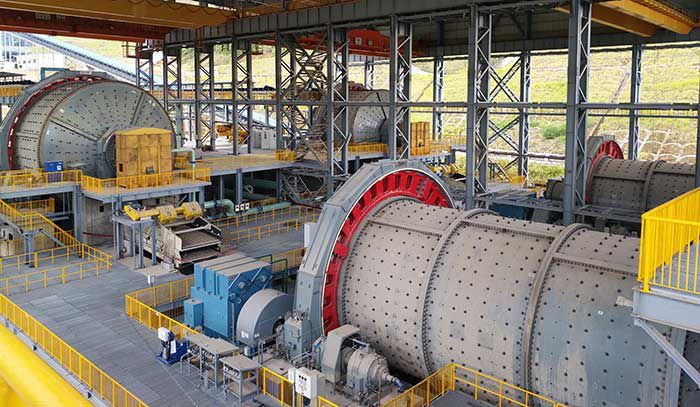
The Φ5.03×8.3m overflow-type ball mill serves as a critical equipment in the daily grinding task of 4000 tons per day at Xinjiang Yakes Resources Co., Ltd. Frequent bolt fractures between the hollow shaft flanges and journal bushing connections have caused significant production disruptions, safety risks, and maintenance challenges. This study investigates the root causes of these failures and proposes actionable solutions to enhance operational reliability.
2. Key Findings
2.1 Failure Patterns
Bolt fractures occurred primarily at the root of the bolt head, near the nut, or mid-stem regions. These failures led to unplanned stoped, increased labor costs, and potential safety hazards from loose bolts striking personnel.
2.2 Contributing Factors
A comprehensive analysis identified eight primary causes (Table 1):
| Cause | Impact on Ball Mill Operation |
|---|---|
| Inadequate Bolt Pre-tension | Non-uniform stress distribution and loosening during operation. |
| Poor Maintenance Practices | Delayed tightening of loose bolts and use of substandard bolt materials. |
| Long-Term Shutdowns Without Protection | 筒体 deformation due to residual gravity, causing fatigue cracks. |
| Overloading | Excessive steel ball addition increased mechanical stress on bolts. |
| Abnormal Ball Charge Composition | Imbalanced steel-to-material ratio led to intensified impacts on bearings. |
| Bolt Quality Deficiencies | Low-grade materials (e.g., A3 steel) and improper heat treatment resulted in microcracks. |
| Manufacturing Tolerances | Misalignment of flange mating surfaces and loose hinge bolts caused radial shear forces. |
| Structural Design Flaws | Insufficient clearance between lining plate and journal bushings allowed steel ball impacts to propagate. |
3. Mitigation Strategies
3.1 Standardized Maintenance Protocols
- Torque Control: Use a torque wrench to apply stepwise, diagonal tightening of bolts, followed by re-tightening after 48 hours of operation.
- Regular Inspections: Implement hourly checks during initial operation, transitioning to weekly checks after stabilization.
3.2 Structural Modifications
- Bolt Material Upgrades: Replace A3 steel bolts with 12.9-grade alloy steel to improve fatigue resistance.
- Flange Surface Preparation: Ensure mating flanges are clean and free of debris before tightening.
3.3 Operational Adjustments
- Ball Charge Optimization: Maintain a 34% filling rate (within the recommended 30–35% range) to balance impact forces.
- Avoid Overloading: Strictly adhere to the designed feed rate to prevent excessive mechanical stress.
3.4 Mechanical Design Enhancements
- Lining Plate Retrofitting: Extend the length of the mushroom-shaped lining plate near the hollow shaft by 100mm (outlet end) and 30mm (inlet end) to redirect steel ball trajectories.
- Hinge Bolt Reinforcement: Improve the precision of hinge hole tolerances to reduce radial movement and shear stresses.
4. Validation and Results
After implementing the retrofitting measures:
- Outlet End: No bolt fractures occurred over 12 months of operation.
- Inlet End: Fracture frequency reduced by **75%** after extending lining plate by 30mm.
A comparative analysis confirmed that the mushroom-shaped lining plate design effectively absorbed冲击 energy, while the 12.9-grade bolts demonstrated superior fatigue life (Table 2).
| Parameter | Pre-Retrofit | Post-Retrofit |
|---|---|---|
| Bolt Failure Rate | 3.2/week | 0.1/week |
| Maintenance Downtime | 15 hours/month | 2 hours/month |
| Energy Consumption | Stable | Slight reduction |
5. Conclusion
This study highlights the critical role of multifaceted interventions in addressing bolt failures in ball mills. By combining advanced materials, precision engineering, and operational best practices, companies can achieve durable and efficient grinding operations. Future work should focus on real-time monitoring systems to detect early signs of bolt loosening or fatigue.