
The integration of large-scale, heavy-section steel casting components into critical industrial structures presents a significant welding challenge. This is particularly true in metallurgical applications, such as converter systems, where components like hanging link seats, fabricated from grades like ZG20Mn cast steel, must be reliably joined to rolled steel plates like Q345R. The failure of these welds, often manifesting as cracks in the heat-affected zone (HAZ) or the weld metal itself, can lead to costly downtime and safety concerns. Based on extensive field experience and metallurgical analysis, this article details a proven, comprehensive welding procedure for joining ZG20Mn steel casting to Q345R, focusing on pre-weld analysis, defect prevention, and precise process control to ensure structural integrity under severe service conditions.
1. Introduction
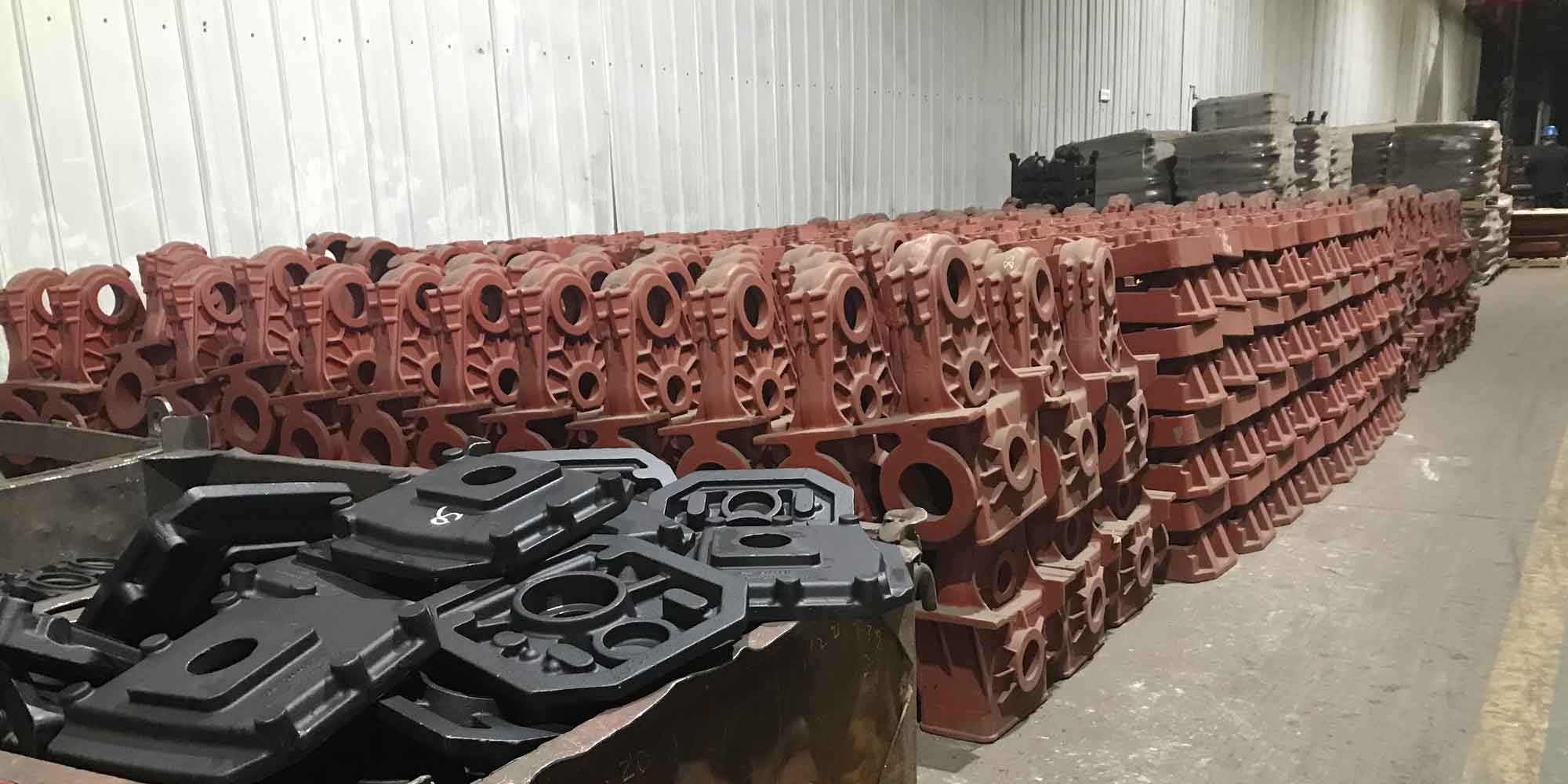
The hanging link seat and the support ring (trunnion) are among the most critical load-bearing and force-transmitting components in a basic oxygen furnace (BOF) or converter. The trunnion ring is subjected to extreme static loads from the furnace shell, refractory lining, and molten metal, dynamic loads from frequent start-stop cycles, tapping, and charging impacts, as well as intense thermal radiation. The connection between the furnace shell, the trunnion, and the hanging link seats—often employing designs like the three-point spherical support or the link hanging system—is a perennial weak point. Cracks frequently initiate and propagate in the weld regions of these connections during service. Given that these connections are typically made during field construction and must be repaired in-situ, developing a robust, repeatable welding procedure is paramount. The hanging link seat, a key steel casting, is commonly made from ZG20Mn with substantial thickness (e.g., 110mm), while the furnace shell and trunnion ring are fabricated from Q345R (formerly 16MnR) with thicknesses of 70mm and 120mm respectively. The welding procedure must guarantee high-quality joints that meet stringent non-destructive testing (NDT) standards, typically Ultrasonic Testing (UT) per Grade B, Level I and Magnetic Particle Testing (MT) per Level I in and around the weld zone. This document consolidates the methodological approach to achieve this, transforming the challenge of welding a thick-section steel casting into a controlled engineering process.
2. Material Characteristics and Weldability Assessment
A foundational step in developing any welding procedure is a thorough analysis of the base metals’ chemical composition and mechanical properties, which directly dictates their weldability. For the ZG20Mn steel casting and Q345R rolled steel, this analysis is critical for predicting behavior during the welding thermal cycle.
| Material Designation | Product Form | C | Si | Mn | P (max) | S (max) | Ni | Yield Strength (Typical, MPa) | Tensile Strength (Typical, MPa) |
|---|---|---|---|---|---|---|---|---|---|
| ZG20Mn | Steel Casting | 0.16-0.22 | 0.60-0.80 | 1.00-1.30 | 0.030 | 0.030 | ≤0.40 | ≥290 | 490-640 |
| Q345R | Rolled Plate | ≤0.20 | 0.20-0.55 | 1.20-1.60 | 0.035 | 0.030 | – | ≥345 | 510-640 |
The weldability is commonly quantified using carbon equivalent (Ceq) formulas, which provide an index for assessing the susceptibility to hardening and cold cracking. The International Institute of Welding (IIW) formula and the American Welding Society (AWS) formula are most frequently applied.
IIW Carbon Equivalent Formula:
$$ C_{eq(IIW)} = C + \frac{Mn}{6} + \frac{(Ni + Cu)}{15} + \frac{(Cr + Mo + V)}{5} $$
AWS Carbon Equivalent Formula:
$$ C_{eq(AWS)} = C + \frac{Mn}{6} + \frac{Cr}{3} + \frac{V}{5} + \frac{Ni}{15} + \frac{Cu}{13} + \frac{P}{2} + \frac{Mo}{4} $$
Applying the typical mid-range composition values from the table above:
For ZG20Mn Steel Casting: (Assuming C=0.19%, Mn=1.15%, Ni=0.40%)
$$ C_{eq(IIW)} = 0.19 + \frac{1.15}{6} + \frac{0.40}{15} = 0.19 + 0.1917 + 0.0267 = 0.4084\% $$
$$ C_{eq(AWS)} = 0.19 + \frac{1.15}{6} + \frac{0.40}{15} = 0.4084\% $$
For Q345R Rolled Steel: (Assuming C=0.20%, Mn=1.40%)
$$ C_{eq(IIW)} = 0.20 + \frac{1.40}{6} = 0.20 + 0.2333 = 0.4333\% $$
$$ C_{eq(AWS)} = 0.20 + \frac{1.40}{6} = 0.4333\% $$
Both materials exhibit carbon equivalents exceeding 0.40%, indicating a moderate susceptibility to cold cracking, especially given the significant thickness involved. As a general rule: Ceq < 0.40% generally requires no preheat for thin sections; Ceq between 0.40-0.60% increases cold crack sensitivity, necessitating preheat and controlled heat input. Therefore, a carefully designed welding procedure featuring preheat, controlled interpass temperature, and potentially post-weld heat treatment is essential for joining this steel casting to plate steel.
3. Metallurgical Defect Analysis and Prevention Strategies
The welding thermal cycle induces complex metallurgical transformations. Understanding the root causes of potential defects is key to preventing them through procedural controls.
3.1 Solidification (Hot) Cracking
Hot cracks form during the final stages of weld metal solidification due to the presence of low-melting-point eutectic films (e.g., iron sulfides) along grain boundaries. The high manganese content in both ZG20Mn and Q345R is beneficial. Manganese reacts with sulfur to form MnS inclusions, which have a higher melting point than FeS, thereby increasing the resistance to hot cracking. The Mn/S ratio is a critical indicator:
$$ \text{Mn/S Ratio} = \frac{\text{wt\% Mn}}{\text{wt\% S}} $$
A ratio greater than 30-40 is generally considered safe. With typical S content ≤0.030% and Mn >1.00%, the ratio is well above this threshold. Therefore, with proper chemistry control in the base steel casting and filler metal, hot cracking is not a primary concern for this material combination.
3.2 Hydrogen-Induced Cold Cracking
This is the most significant risk when welding thick sections of medium-carbon, low-alloy steels like ZG20Mn steel casting. Cold cracks occur at temperatures below 200°C, often hours or days after welding (delayed cracking). The mechanism requires three concurrent factors: a susceptible microstructure (hard martensite), the presence of diffusible hydrogen, and tensile stress.
- Susceptible Microstructure: The carbon equivalent values indicate a tendency to form hard, brittle martensite in the HAZ upon rapid cooling.
- Hydrogen Source: Moisture from the atmosphere, electrode coatings, or workpiece surface is the primary source.
- Stress: High restraint from thick sections and structural rigidity creates significant residual tensile stresses.
The prevention strategy is to eliminate at least one of these factors:
1. Control Microstructure: Use preheat and maintain interpass temperature to slow the cooling rate, allowing the formation of softer transformation products like bainite or fine pearlite instead of martensite. The cooling time between 800°C and 500°C (t8/5) is a critical parameter.
2. Eliminate Hydrogen: Use ultra-low-hydrogen electrodes (E5015/E5016), strictly follow drying procedures (350-400°C for 1-2 hours), and store them in a heated quiver. Ensure the workpiece joint surfaces are completely clean and dry.
3. Reduce Stress: Employ a balanced welding sequence to minimize distortion and residual stress. Apply post-weld heat treatment (PWHT) or immediate post-heating for hydrogen diffusion (dehydrogenation treatment).
3.3 Reheat Cracking (Stress Relief Cracking)
This occurs in the coarse-grained HAZ during post-weld heat treatment (PWHT) or high-temperature service. It is caused by the precipitation of carbides (e.g., vanadium, molybdenum carbides) along grain boundaries, which reduce creep ductility. Since neither ZG20Mn nor Q345R contain significant amounts of strong carbide-forming elements like V or Mo, they are generally not considered susceptible to reheat cracking. The primary cracking concern remains hydrogen-induced cold cracking.
3.4 Porosity
Porosity results from gases (H2, N2, CO) being trapped in the solidifying weld metal. Prevention measures are procedural: meticulous cleaning to remove oil, grease, and moisture; using properly shielded processes (SMAW with fresh electrodes); maintaining a stable arc length to prevent nitrogen pickup; and ensuring adequate gas coverage in gas-shielded processes.
3.5 Lack of Fusion and Slag Inclusions
These are typically procedural defects. Lack of fusion is avoided by using sufficient heat input and correct welding technique (appropriate arc manipulation). Slag inclusions are prevented by thorough interpass cleaning (using needle guns and wire brushes) to remove all slag from previous weld beads before depositing the next layer.
4. Mechanical Property Degradation: HAZ Embrittlement
Beyond cracking, the welding cycle can degrade the toughness of the base metal adjacent to the weld.
4.1 Coarse-Grain HAZ Embrittlement
The region heated above approximately 1100°C experiences significant grain growth, leading to a coarse austenitic structure that transforms upon cooling. This area often has the lowest toughness in the welded joint. The key to minimizing this is to control the heat input. Excessive heat input increases the time at peak temperature, promoting excessive grain growth. A recommended balance must be struck to avoid both excessive grain growth and excessive hardening. The relationship can be conceptualized by the heat input (Q) formula:
$$ Q = \frac{\eta \cdot V \cdot I}{v \cdot 1000} \quad \text{(kJ/mm)} $$
Where: η is arc efficiency (~0.8 for SMAW), V is voltage (V), I is current (A), and v is travel speed (mm/s). For this material combination, a medium heat input is generally advised to balance grain growth and cooling rate.
4.2 Heat-Affected Zone Softening
In regions heated to temperatures between the Ac1 and Ac3 transformation points (intercritical region), partial transformation can lead to a softened zone with reduced strength. For these medium-strength steels, this is usually not a critical design issue, but it is a recognized phenomenon in the HAZ microstructure gradient.
5. Comprehensive Welding Procedure Specification (WPS)
Based on the foregoing analysis, the following detailed WPS is recommended for joining ZG20Mn steel casting to Q345R steel plate.
5.1 Joint Design and Preparation
- Joint Type: Full penetration butt or T-joint, depending on connection design.
- Groove Design: Double-V or double-U groove preparations are preferred for thick sections (>50mm) to balance distortion and reduce the volume of weld metal. Included angle typically 60°-75°.
- Preparation Method: Machining or controlled thermal cutting (plasma or oxy-fuel) followed by grinding to remove any hardened or decarburized layer (min. 1-2mm).
- Cleaning: A minimum 25mm zone on both sides of the joint must be cleaned to bright metal using grinding disks or abrasive blasting. All moisture, oil, paint, rust, and scale must be removed.
5.2 Welding Process and Consumable Selection
- Primary Process: Shielded Metal Arc Welding (SMAW) is highly recommended for its versatility, control, and suitability for complex, restricted positions common in field repair and construction.
- Electrode: E5015 (J507) or E5016 (J506) classification. These are basic-coated, low-hydrogen electrodes providing excellent crack resistance and mechanical properties matching the base metals.
- Drying: New electrodes must be baked at 350-400°C for 1-2 hours. They must then be stored in a holding oven at 100-150°C and dispensed using a heated quiver at the worksite.
- Rebaking: Electrodes exposed to ambient air for more than 4 hours must be rebaked.
- Alternative Process: For production environments, Flux-Cored Arc Welding (FCAW-G) with an E71T-1 classification wire and 75% Ar / 25% CO2 shielding gas offers higher deposition rates while maintaining good mechanical properties and low hydrogen potential.
5.3 Preheating and Interpass Temperature Control
This is the single most critical parameter for preventing cold cracks in this steel casting application.
- Preheat Temperature (Tp): 150°C – 200°C. The higher end is recommended for greater thickness, higher restraint, or lower ambient temperature.
- Measurement: Temperature must be measured using contact pyrometers or temp sticks on the surface of both base metals, at a distance no less than 75mm from the joint centerline, on the opposite side of the heat source.
- Interpass Temperature (Ti): 150°C – 250°C. The temperature must not be allowed to fall below the minimum preheat temperature between weld passes. Conversely, maximum interpass temperature must be controlled to prevent excessive grain growth.
- Heating Method: Electrical resistance heating mats or flexible ceramic pads are ideal for uniform, controllable heating. Open flame heating is discouraged due to the risk of localized overheating and contamination.
5.4 Welding Technique and Parameters
| Weld Pass | Electrode Diameter (mm) | Welding Current (A, DC+) | Arc Voltage (V) | Travel Speed (mm/min) | Approx. Heat Input (kJ/mm) | Technique |
|---|---|---|---|---|---|---|
| Root (Stringer) | 3.2 | 90-120 | 22-24 | 80-120 | 0.9-1.3 | Drag, slight weave |
| Hot / Fill Passes | 4.0 | 140-170 | 23-25 | 100-150 | 1.3-1.7 | Weave, max width 3x dia. |
| Fill / Cap Passes | 5.0 | 180-220 | 24-26 | 120-180 | 1.4-1.9 | Weave, careful tie-in |
Key Techniques:
Welding Sequence: For symmetric joints, use a balanced, staggered sequence to control distortion. For long seams, the back-step or block sequencing method is effective.
Peening: Light peening of intermediate fill passes (not the root or cap) using a round-nose pneumatic tool can help reduce residual tensile stresses. This must be done with caution and is not a substitute for proper thermal controls.
Interpass Cleaning: Absolutely mandatory. Remove all slag and spatter using chipping hammers, needle guns, and wire brushing before inspecting and depositing the next pass.
5.5 Post-Weld Heat Treatment (PWHT) and Cooling
- Immediate Post-Heating (Dehydrogenation): Upon completion of welding, the assembly should be raised to a temperature of 250°C – 300°C and held (soaked) for a minimum of 2 hours per 25mm of thickness. This allows diffusible hydrogen to escape before the joint cools to ambient temperature, drastically reducing cold crack risk. The heating rate should not exceed 150°C/hour.
- Stress Relieving (SR): For critical applications requiring dimensional stability and maximum resistance to stress corrosion cracking, a full stress relief is recommended. The recommended cycle is:
- Heating Rate: Max 150°C/hour.
- Soak Temperature: 580°C – 620°C (below the lower transformation temperature Ac1).
- Soak Time: 1 hour per 25mm of thickness, minimum 1 hour.
- Cooling Rate: Controlled cooling within the furnace to below 300°C at a rate not exceeding 150°C/hour, after which air cooling is permissible.
- Insulated Cooling: If neither immediate post-heat nor SR is performed, the welded component must be covered with insulating blankets or sand immediately after welding to facilitate very slow cooling to room temperature, helping to reduce thermal stresses.
6. Quality Assurance and Non-Destructive Testing (NDT)
Verification of weld integrity is non-negotiable. A phased NDT plan should be implemented:
- Visual Inspection (VT): During and after welding to check for surface defects, profile, and completeness.
- Magnetic Particle Testing (MT): Performed on the final weld surface and the adjacent base metal (typically 40mm on either side) after final cleaning. This detects surface and near-surface defects like cracks and lack of fusion. Acceptance criteria should be Level I per relevant standards (e.g., ISO 23278, ASME Sec. V).
- Ultrasonic Testing (UT): Performed on the completed, full-penetration weld to detect internal volumetric and planar defects (slag, porosity, cracks, lack of sidewall fusion). A dual-angle probe scan (e.g., 45° and 60° or 70°) is recommended for thick sections. Evaluation should follow a recognized standard (e.g., ISO 17640, ASME Sec. V) at a sensitivity equivalent to B级, Level I, where indications exceeding a reference level are unacceptable.
7. Conclusion and Field Application Guidance
The successful welding of thick-section ZG20Mn steel casting components to Q345R structural plate is fundamentally an exercise in hydrogen and stress management. The carbon equivalent values confirm a predisposition to form hard, crack-sensitive microstructures. Therefore, the procedural pillars are: (1) Meticulous joint preparation and cleaning, (2) The mandatory use of ultra-low-hydrogen consumables with strict control over their storage and handling, (3) The consistent application of adequate preheat and interpass temperature, and (4) The implementation of a post-weld thermal cycle—either immediate dehydrogenation or full stress relief—to facilitate hydrogen egress and reduce residual stresses.
This methodology transforms the inherent challenges of the material combination into a controlled, repeatable process. It provides a reliable technical framework for both the initial fabrication and the subsequent in-situ repair of critical connections in heavy industrial equipment like converters. The principles outlined here—rooted in metallurgical analysis and procedural rigor—are broadly applicable to the welding of other medium-carbon, low-alloy steel casting grades to similar strength rolled steels, contributing to enhanced reliability and safety in demanding engineering structures.