
Ductile iron castings have become one of the most versatile engineering materials due to their excellent combination of mechanical properties, castability, and economic efficiency. In modern industries such as high-speed railway, wind power generation, and petrochemical engineering, ductile iron castings are increasingly required to maintain reliable performance at sub-zero temperatures. Among the various grades, QT400-18L ductile iron castings are specifically designed for low-temperature applications, where the impact toughness at temperatures as low as −50 °C or even lower becomes a critical design parameter. In our previous industrial work, we observed that the as-cast microstructure often contains a mixture of ferrite, pearlite, and irregular graphite nodules, which severely limits the low-temperature impact performance. To overcome this limitation, we systematically investigated the effect of annealing treatments on the microstructure evolution and low-temperature toughness of QT400-18L ductile iron castings. This article summarizes our findings and provides a fundamental understanding of the relationship between annealing parameters, microstructural features, and fracture mechanisms in these materials.
It is well known that the low-temperature impact toughness of ductile iron castings is governed by several microstructural factors: the morphology, size, distribution, and number of graphite nodules, as well as the matrix structure and its ferrite content. The presence of pearlite, even in small amounts, is detrimental to impact properties because pearlite promotes brittle fracture and reduces the energy required for crack propagation. Therefore, the goal of annealing is to transform the matrix into a fully ferritic structure while refining the graphite nodules and improving their uniformity. In the present study, we applied three different annealing temperature regimes — low temperature (750 °C), medium temperature (840 °C), and high temperature (920 °C) — with both single-stage and double-stage cycling. We then evaluated the microstructural response and the impact absorbed energy at −50 °C, as well as the full temperature dependence of impact toughness for the most promising condition.
Materials and Experimental Procedures
We prepared QT400-18L ductile iron castings using a 1 t medium-frequency induction furnace. The charge consisted of high-purity pig iron (75–80%), low-carbon steel scrap (10%), and returned foundry scrap (10–15%), together with a small amount of carburizer (0.2–0.3%). The pig iron had a controlled composition with carbon content ≥3.9%, silicon between 0.4% and 0.7%, manganese ≤0.1%, phosphorus ≤0.025%, titanium ≤0.025%, and sulfur <0.02%. The low-carbon steel scrap contained total trace elements below 0.1%, with phosphorus and sulfur each less than 0.02% and titanium less than 0.02%. The spheroidization treatment was carried out using a low-silicon nodulizer (QLMg8Re3), placed at the bottom of a pouring ladle. When the molten iron reached the desired temperature, it was tapped into the ladle. At two-thirds of the tapping volume, an inoculant (0.6–0.8%) composed of mixed rare earth (10%), rare-earth ferrosilicon (10%), calcium-silicon alloy (50%), and other trace elements (30%) was added as a stream inoculant. During the entire pouring process, the melt surface was covered with a volcanic ash slag coagulant to prevent oxidation and dross formation.
The chemical composition of the resulting ductile iron castings is listed in Table 1. The carbon equivalent was calculated using the well-known formula:
$$C_{eq} = w(\text{C}) + \frac{1}{3}w(\text{Si})$$
where w(C) and w(Si) represent the mass fractions of carbon and silicon, respectively. The measured value of Ceq was 4.3–4.4%, which provides good graphitization potential and fluidity during casting.
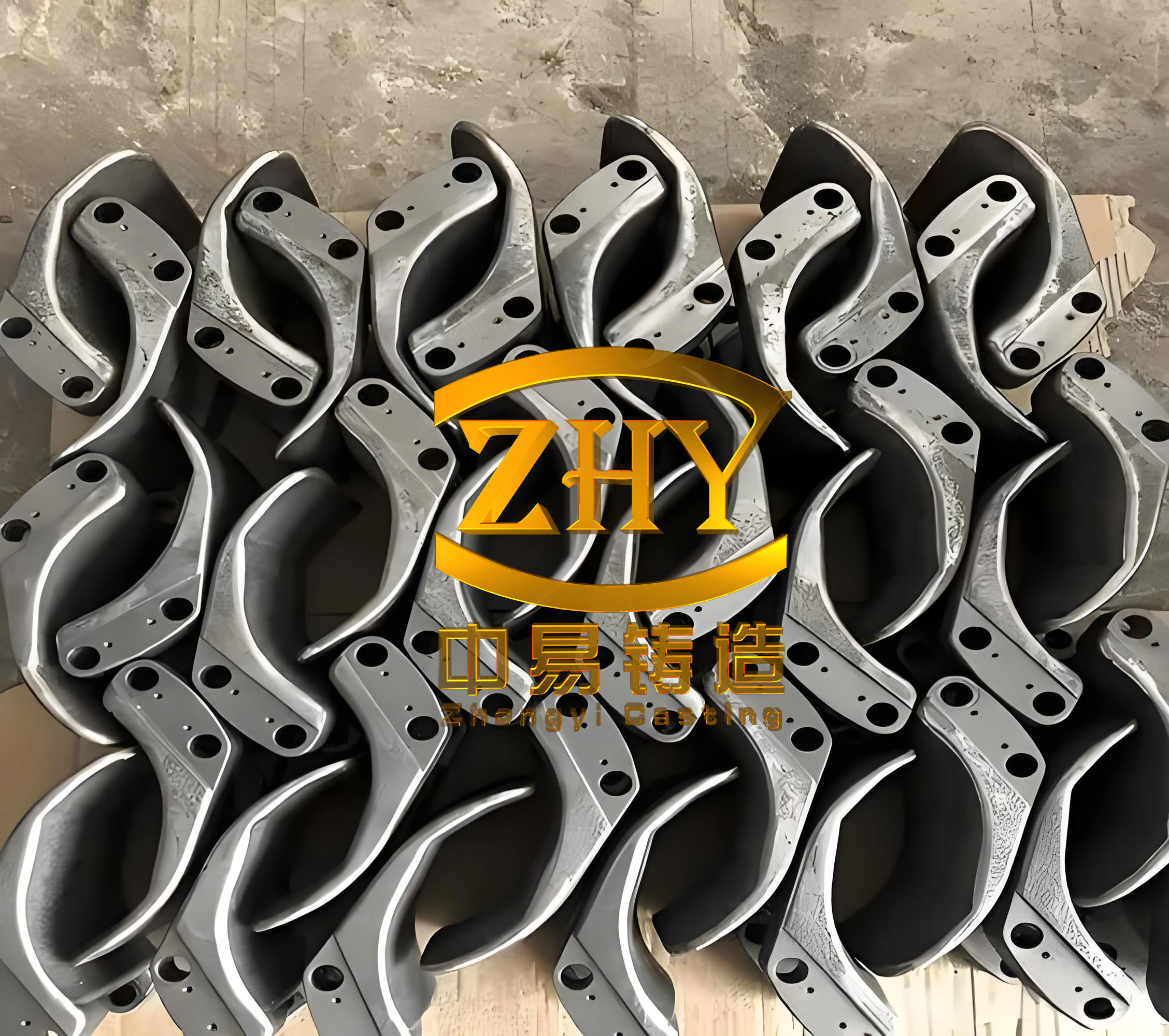
Table 1. Chemical composition of QT400-18L ductile iron castings (mass fraction, %)
| Ceq | C | Si | Mn | P | S |
|---|---|---|---|---|---|
| 4.3–4.4 | 3.4–3.9 | 1.9–2.4 (after inoculation) | <0.2 | <0.035 | <0.030 |
We designed three groups of annealing treatments, each containing single-stage and double-stage schedules, as summarized in Table 2. The low-temperature group was performed at 750 °C, the medium-temperature group at 840 °C, and the high-temperature group at 920 °C. For single-stage annealing, the holding time was either 3 h or 6 h. For double-stage annealing, the first stage was held at the respective temperature for 3 h, followed by a second stage at a lower temperature (700 °C for the low-temperature group, 720 °C for the medium and high groups) for another 3 h. After annealing, the samples were cooled in the furnace to room temperature.
Table 2. Annealing process parameters
| Annealing regime | Low temperature | Medium temperature | High temperature |
|---|---|---|---|
| Single-stage (3 h) | 750 °C × 3 h | 840 °C × 3 h | 920 °C × 3 h |
| Single-stage (6 h) | 750 °C × 6 h | 840 °C × 6 h | 920 °C × 6 h |
| Double-stage | 750 °C × 3 h + 700 °C × 3 h | 840 °C × 3 h + 720 °C × 3 h | 920 °C × 3 h + 720 °C × 3 h |
For microstructural examination, specimens were ground on SiC papers from 400 to 2000 grit, polished, and etched with 4% nital solution. Optical microscopy was used to assess the graphite nodule morphology and matrix constituents. X-ray diffraction (XRD) with Cu Kα radiation at a scanning speed of 2°/min was employed to identify the phases. Scanning electron microscopy (SEM) was performed on the fracture surfaces after impact testing. Standard Charpy V-notch impact specimens with dimensions of 55 mm × 10 mm × 10 mm were machined with a 45° V-notch of 2 mm depth and 0.25 mm root radius. Impact tests were conducted using a fully automatic low-temperature impact testing machine over a temperature range from −100 °C to 0 °C. For each condition, three specimens were tested and the average value was reported. Instrumented impact tests were performed using a special machine capable of recording load, displacement, and energy during fracture, with an impact velocity of 5230 mm/s. To ensure accurate temperature control, supercooling compensation was applied: 2–3 °C for test temperatures between −100 °C and −60 °C, and 1–2 °C for temperatures between −60 °C and 0 °C.
Microstructure of As-Cast Ductile Iron Castings
The as-cast microstructure of QT400-18L ductile iron castings is shown in our observations through optical microscopy and XRD. The as-cast samples exhibited graphite nodules that were poorly distributed, with a relatively small number of nodules and a wide variation in size. Although the nodularity was relatively high, the matrix consisted of ferrite with a small amount of pearlite (appearing as bright lamellar regions under SEM). XRD analysis confirmed that the as-cast material contained graphite, ferrite, and cementite phases. Quantitative metallographic analysis (Table 3) showed that the as-cast nodularity was 84.0% ± 0.5%, the average nodule diameter was 34.1 ± 0.2 μm, the nodule count was 116 ± 5 per mm², and the ferrite content was about 65.0% ± 0.5%. This microstructure is far from optimal for low-temperature applications because the coarse, unevenly distributed graphite nodules and the significant pearlite content both promote brittle fracture.
Table 3. Graphite morphology and ferrite content of as-cast QT400-18L ductile iron castings
| Property | Value |
|---|---|
| Nodularity (%) | 84.0 ± 0.5 |
| Average nodule diameter (μm) | 34.1 ± 0.2 |
| Nodule count (mm⁻²) | 116 ± 5 |
| Ferrite content (%) | 65.0 ± 0.5 |
Effect of Annealing on Microstructure
After annealing at low temperature (750 °C), we observed significant improvements in graphite nodule characteristics and matrix structure. Figure 1 (the image above) illustrates the typical graphite nodule morphology observed in ductile iron castings after proper heat treatment. In our specimens annealed at 750 °C for 3 h, the graphite nodules became rounder and increased in number, yet some lamellar pearlite remained in the matrix. Extending the holding time to 6 h promoted the decomposition of pearlite and caused a slight growth of graphite nodules, resulting in a reduction in nodule count. Interestingly, the double-stage low-temperature annealing (750 °C × 3 h + 700 °C × 3 h) produced the most refined and uniform graphite distribution: the nodules were smaller, more numerous, and more evenly dispersed. The matrix was almost fully ferritic, with a ferrite content of 99.5% ± 0.5%. Table 4 summarizes the quantitative results for the low-temperature annealing group.
Table 4. Graphite morphology and ferrite content of QT400-18L ductile iron castings after low-temperature annealing
| Annealing schedule | Nodularity (%) | Nodule diameter (μm) | Nodule count (mm⁻²) | Ferrite content (%) |
|---|---|---|---|---|
| 750 °C × 3 h | 88.0 ± 0.5 | 35.9 ± 0.2 | 221 ± 5 | 98.0 ± 0.5 |
| 750 °C × 6 h | 87.7 ± 0.5 | 42.7 ± 0.2 | 174 ± 5 | 99.5 ± 0.5 |
| 750 °C × 3 h + 700 °C × 3 h | 89.9 ± 0.5 | 29.1 ± 0.2 | 357 ± 5 | 99.5 ± 0.5 |
The medium-temperature annealing (840 °C) also improved the microstructure, but to a somewhat lesser extent than the low-temperature double treatment. After 840 °C × 3 h, the graphite nodules became rounder and more uniform, while small amounts of pearlite remained. Extending to 6 h further decomposed the pearlite, though some pearlite was still observed at prior austenite grain boundaries. The double-stage medium-temperature annealing (840 °C × 3 h + 720 °C × 3 h) produced a fully ferritic matrix with a nodule count of 328 per mm² and a nodularity of 89.5%. Table 5 presents these data.
Table 5. Graphite morphology and ferrite content of QT400-18L ductile iron castings after medium-temperature annealing
| Annealing schedule | Nodularity (%) | Nodule diameter (μm) | Nodule count (mm⁻²) | Ferrite content (%) |
|---|---|---|---|---|
| 840 °C × 3 h | 84.7 ± 0.5 | 41.5 ± 0.2 | 153 ± 5 | 95.5 ± 0.5 |
| 840 °C × 6 h | 87.6 ± 0.5 | 35.7 ± 0.2 | 234 ± 5 | 98.5 ± 0.5 |
| 840 °C × 3 h + 720 °C × 3 h | 89.5 ± 0.5 | 31.0 ± 0.2 | 328 ± 5 | 99.5 ± 0.5 |
High-temperature annealing (920 °C) yielded somewhat different trends. After 920 °C × 3 h, the graphite nodules were round and the matrix contained small amounts of pearlite at grain boundaries. With 6 h of holding, the pearlite fully decomposed and the graphite nodule count increased dramatically to 360 per mm² with a very small average diameter of 18.5 μm. However, the double-stage high-temperature annealing (920 °C × 3 h + 720 °C × 3 h) led to significant agglomeration and coarsening of graphite, resulting in a lower nodule count of 224 per mm² and a larger average diameter of 39.9 μm, although the matrix was fully ferritic. Table 6 summarizes these results.
Table 6. Graphite morphology and ferrite content of QT400-18L ductile iron castings after high-temperature annealing
| Annealing schedule | Nodularity (%) | Nodule diameter (μm) | Nodule count (mm⁻²) | Ferrite content (%) |
|---|---|---|---|---|
| 920 °C × 3 h | 86.7 ± 0.5 | 35.9 ± 0.2 | 179 ± 5 | 98.5 ± 0.5 |
| 920 °C × 6 h | 86.5 ± 0.5 | 18.5 ± 0.2 | 360 ± 5 | 99.5 ± 0.5 |
| 920 °C × 3 h + 720 °C × 3 h | 91.7 ± 0.5 | 39.9 ± 0.2 | 224 ± 5 | 99.5 ± 0.5 |
From these observations, we deduced that double-stage annealing at low or medium temperatures is the most effective route to obtain refined graphite nodules and a fully ferritic matrix. The low-temperature double annealing produced the highest nodule count (357 mm⁻²) and the smallest average diameter (29.1 μm) among the double-stage processes, which is expected to be beneficial for low-temperature impact toughness. On the other hand, the high-temperature double annealing caused excessive coarsening of graphite due to enhanced carbon diffusion and Ostwald ripening, which is undesirable.
Low-Temperature Impact Toughness of Annealed Ductile Iron Castings
We evaluated the impact absorbed energy of the as-cast and double-stage annealed ductile iron castings at −50 °C using standard Charpy V-notch specimens. The results are listed in Table 7. The as-cast material exhibited an average impact energy of 9.4 J, which is insufficient for many low-temperature applications. After low-temperature double annealing and medium-temperature double annealing, the impact energy increased significantly to 13.5 J, representing a 43.6% improvement over the as-cast condition. The high-temperature double annealing gave a slightly lower value of 12.6 J, because the larger and fewer graphite nodules promoted earlier crack initiation and easier crack propagation.
Table 7. Impact absorbed energy at −50 °C of QT400-18L ductile iron castings in various states (J)
| Condition | Individual readings | Average |
|---|---|---|
| As-cast | 10.3, 9.0, 9.0 | 9.4 |
| Low-temperature double annealing | 13.1, 13.8, 13.8 | 13.5 |
| Medium-temperature double annealing | 13.8, 13.8, 13.1 | 13.5 |
| High-temperature double annealing | 13.1, 12.4, 12.4 | 12.6 |
Since the low-temperature double annealing gave the best combination of fine graphite and fully ferritic matrix, we selected this condition for a detailed study of the ductile-to-brittle transition behavior. Impact tests were performed at multiple temperatures between 0 °C and −100 °C. The absorbed energy showed a relatively gentle decrease from 0 °C to −50 °C, followed by a sharp drop at lower temperatures. We defined the ductile-to-brittle transition temperature (DBTT) as the midpoint of the transition curve, which was determined to be approximately −75 °C. This value indicates that the low-temperature double-annealed QT400-18L ductile iron castings possess excellent sub-zero toughness, well capable of meeting typical service requirements at −50 °C.
To obtain deeper insight into the fracture process, we performed instrumented impact tests at 20 °C, −50 °C, −75 °C, and −100 °C on the low-temperature double-annealed specimens. The instrumented tests provided load–displacement and energy–displacement curves, from which we separated the crack initiation energy (Ei) and the crack propagation energy (Ep). The total absorbed energy (Et) is the sum of the two components:
$$E_t = E_i + E_p$$
At 20 °C, the maximum load was 8.69 kN, the displacement at maximum load was 0.81 mm, and the contact time was 0.155 ms. The crack initiation energy was 3.81 J, the crack propagation energy was 11.34 J, and the total energy was 15.15 J. The initiation energy accounted for about 25% of the total energy, indicating that most of the energy was consumed during stable crack propagation, which is characteristic of a ductile fracture mode. At −50 °C, the maximum load increased slightly to 9.69 kN, while the displacement at maximum load decreased to 0.77 mm. The initiation energy was 3.72 J and the propagation energy was 9.12 J, giving a total energy of 12.84 J. The initiation fraction increased to 29%, but the material still exhibited predominantly ductile behavior. At −75 °C, we observed a pronounced drop in maximum load to 8.47 kN and displacement to 0.67 mm. The initiation energy fell to 2.57 J, while the propagation energy was 3.80 J, yielding a total energy of only 6.37 J. The initiation fraction rose to about 40%, and the fracture mode was mixed ductile–brittle, consistent with the transition temperature. At −100 °C, the maximum load dropped further to 6.26 kN, the displacement to 0.52 mm, and the contact time was only 0.099 ms. The initiation energy was merely 1.53 J and the propagation energy was 1.37 J, giving a total energy of 2.90 J. The initiation fraction exceeded 50%, indicating that the material had essentially no ability to resist crack propagation, and the fracture was brittle cleavage. Table 8 summarizes these instrumented impact results.
Table 8. Instrumented impact data for low-temperature double-annealed QT400-18L ductile iron castings
| Test temperature (°C) | Maximum load (kN) | Displacement at max load (mm) | Contact time (ms) | Initiation energy (J) | Propagation energy (J) | Total energy (J) | Initiation fraction (%) |
|---|---|---|---|---|---|---|---|
| 20 | 8.69 | 0.81 | 0.155 | 3.81 | 11.34 | 15.15 | 25.1 |
| −50 | 9.69 | 0.77 | 0.147 | 3.72 | 9.12 | 12.84 | 29.0 |
| −75 | 8.47 | 0.67 | 0.128 | 2.57 | 3.80 | 6.37 | 40.3 |
| −100 | 6.26 | 0.52 | 0.099 | 1.53 | 1.37 | 2.90 | 52.8 |
The ratio of initiation energy to total energy, r, can be expressed as:
$$r = \frac{E_i}{E_i + E_p} \times 100\%$$
This ratio increased monotonically from 25% at 20 °C to 53% at −100 °C, clearly demonstrating that the resistance to crack propagation decreases drastically as the temperature falls. At low temperatures, once a crack is initiated, it propagates almost unstably, resulting in poor absorbed energy. The temperature dependence of the maximum load and the contact time also reflects the embrittlement trend: both parameters decrease with decreasing temperature, indicating a more rapid and brittle fracture event.
Fracture Mechanisms of Ductile Iron Castings at Low Temperatures
Fracture surface analysis using SEM provided direct evidence of the transition in fracture mechanisms. At 20 °C, the impact fracture surface was almost entirely covered with fine, uniformly distributed dimples. Graphite nodules remained embedded at the bottom of the dimples, and we observed numerous tearing ridges surrounding the nodules. The dimples were equiaxed and regular, indicative of microvoid coalescence, which is the typical mechanism of ductile fracture. Under external loading, the graphite nodules act as stress concentrators, leading to decohesion at the graphite/matrix interface and the formation of microvoids. These microvoids grow and coalesce as plastic deformation proceeds, ultimately producing a dimpled fracture surface. The tearing ridges represent regions where localized plastic deformation occurred before final separation. The presence of many graphite nodules firmly held within the dimples indicates a strong interfacial bonding and a high energy absorption capacity, which explains the excellent impact performance at room temperature.
At −50 °C, the fracture surface still exhibited a mixture of dimples and tearing ridges, but some isolated cleavage facets began to appear. The dimples were somewhat shallower and less uniform than those at 20 °C. Nevertheless, the dominant fracture mode remained ductile, which is consistent with the impact energy of 13.5 J and the instrumented test results. This indicates that the low-temperature double-annealed ductile iron castings maintain good toughness even at −50 °C.
As the temperature decreased to −75 °C, the fracture surface became visibly flatter, and approximately 50% of the area consisted of cleavage facets. We observed parallel cleavage steps and river patterns, which are characteristic of transgranular cleavage fracture. Many graphite nodules were separated from the matrix, leaving empty holes on the fracture surface. The number of dimples decreased sharply, and the tearing ridges became less frequent. This mixed morphology corresponds to a quasi-cleavage fracture mechanism, which is typical of materials tested near their ductile-to-brittle transition temperature. At this temperature, the crack initiation energy and propagation energy both dropped significantly, as shown in Table 8, indicating that the material has substantially lost its ability to accommodate plastic deformation.
At −100 °C, the fracture surface was dominated by cleavage facets, river patterns, and cleavage steps. Dimples were almost completely absent. The graphite nodules were largely detached from the matrix, and the fracture path was flat and featureless over large areas. This is a classic brittle cleavage fracture, where cracks propagate along crystallographic planes with very little plastic dissipation. The absorbed energy of only 2.90 J reflects the extremely low resistance to both crack initiation and propagation. The entire fracture occurred very quickly, as evidenced by the short contact time of 0.099 ms.
The fracture mechanism can be understood in the framework of the competition between plastic deformation and cleavage. In ferritic ductile iron castings, cracks typically nucleate at graphite/matrix interfaces due to dislocation pile-ups. The critical event for ductile-to-brittle transition is controlled by the local tensile stress ahead of the crack tip, which depends on temperature. At high temperatures, the yield strength of ferrite is low, and plastic deformation readily accommodates stress concentrations, allowing cracks to be blunted and requiring large amounts of energy for propagation. As the temperature decreases, the yield strength of ferrite increases, making plastic flow more difficult. Consequently, the critical fracture stress for cleavage is reached before significant plastic deformation occurs, leading to unstable crack propagation. The refined graphite nodules produced by low-temperature double annealing help to distribute stress more uniformly and delay the onset of cleavage, thus improving the low-temperature toughness of ductile iron castings.
We have also correlated the microstructural parameters with the low-temperature impact performance. The graphite nodule count N and average diameter d play opposing roles. A high nodule count means that the stress concentration caused by any individual nodule is smaller, and the mean free path in the ferrite matrix is shorter, which promotes more homogeneous deformation. On the other hand, large graphite nodules act as larger initial defects, which lower the critical stress for crack nucleation. In our experiments, the low-temperature double-annealed samples with N = 357 mm⁻² and d = 29.1 μm achieved the best impact energy of 13.5 J at −50 °C. In contrast, the high-temperature double-annealed samples with N = 224 mm⁻² and d = 39.9 μm gave a lower energy of 12.6 J. Thus, we conclude that for QT400-18L ductile iron castings, a fine and dense graphite nodule distribution is more beneficial for low-temperature toughness than a fully ferritic matrix alone.
We also observed that the presence of pearlite, even in small amounts, is highly detrimental. In as-cast samples with 35% pearlite, the impact energy was only 9.4 J. The lamellar cementite in pearlite provides easy cleavage paths and acts as a stress raiser, thereby reducing both initiation and propagation energies. Full ferritization through annealing, especially double-stage annealing, is therefore an essential step to optimize the low-temperature impact performance of ductile iron castings.
In summary, our systematic study demonstrates that annealing temperature and schedule have a profound influence on the microstructure and low-temperature toughness of QT400-18L ductile iron castings. The best combination of mechanical properties is achieved by low-temperature double annealing (750 °C × 3 h + 700 °C × 3 h), which yields a fine, uniform distribution of graphite nodules in a fully ferritic matrix. The resulting material exhibits a ductile-to-brittle transition temperature of approximately −75 °C and an impact energy of 13.5 J at −50 °C, far exceeding the typical requirements for low-temperature applications. The instrumented impact analysis reveals that the reduced absorbed energy at low temperatures is primarily due to a dramatic decrease in crack propagation energy, while the initiation energy also decreases but to a lesser extent. This understanding provides a rational basis for optimizing heat treatment parameters of ductile iron castings intended for sub-zero service.
Conclusions
Based on our experimental results and analysis, we draw the following conclusions:
(1) Annealing substantially improves the graphite nodule morphology of QT400-18L ductile iron castings. The nodules become rounder, more numerous, and more uniformly distributed after all annealing treatments. Low-temperature double annealing and medium-temperature double annealing are the most effective schedules to achieve a fully ferritic matrix with ferrite content above 99.5%.
(2) Double-stage annealing significantly enhances the low-temperature impact toughness. The low-temperature double-annealed and medium-temperature double-annealed samples both reach an impact absorbed energy of 13.5 J at −50 °C, compared with 9.4 J for the as-cast material. High-temperature double annealing causes graphite coarsening and reduces the impact energy to 12.6 J.
(3) The ductile-to-brittle transition temperature of the low-temperature double-annealed ductile iron castings is approximately −75 °C. The instrumented impact tests show that as the temperature decreases from 20 °C to −100 °C, the crack initiation energy decreases from 3.81 J to 1.53 J, and the crack propagation energy decreases from 11.34 J to 1.37 J. The initiation energy fraction increases from 25% to 53%, indicating a transition from ductile to brittle fracture.
(4) The fracture mechanism changes from microvoid coalescence with abundant dimples at 20 °C, to quasi-cleavage at −75 °C, and finally to cleavage with characteristic river patterns at −100 °C. The refined graphite nodules achieved by low-temperature double annealing postpone the onset of cleavage and improve the low-temperature reliability of ductile iron castings.
(5) For industrial production, we recommend the low-temperature double annealing process (750 °C × 3 h + 700 °C × 3 h) for QT400-18L ductile iron castings that require excellent low-temperature impact toughness. This process is not only effective but also energy-efficient compared with higher-temperature treatments.