
The pursuit of high-integrity, dimensionally accurate, and defect-free sand casting products is a perpetual goal within the foundry industry. In the intricate dance of molten metal filling a sand mold, the coating applied to the mold cavity walls plays a role far more critical than a simple barrier. It is a sophisticated functional layer that directly governs the interfacial phenomena, influencing everything from surface finish and dimensional accuracy to the mitigation of defects like metal penetration, burn-on, and veining. Consequently, the performance characteristics of a foundry coating, such as its viscosity, refractoriness, permeability, and notably, its suspensibility, are paramount. Suspensibility—the ability of solid particles within the coating to remain uniformly dispersed in the carrier liquid over time—is a cornerstone property. Poor suspension leads to sedimentation, inconsistent application, variable layer thickness, and ultimately, compromised quality in the final sand casting products. The traditional paradigm for developing or optimizing these coatings has been largely empirical, reliant on the “trial-and-error” or “cook-and-look” approach. This method involves formulating a recipe based on experience, conducting extensive physical tests, analyzing results, and iterating—a process that is not only time-consuming and labor-intensive but also resource-heavy and often sub-optimal. The development of new coatings for advanced sand casting products, which may demand specific thermal or insulating properties, becomes particularly challenging under this old framework.
The advent of the “Materials Genome Initiative” and the broader philosophy of “materials design” have ushered in a new era. This paradigm shift emphasizes the computational prediction and design of new materials with desired properties before physical synthesis. At the heart of this revolution lies data-driven modeling and Machine Learning (ML). By harnessing historical or experimentally generated data, ML algorithms can learn the complex, often non-linear, relationships between a material’s composition/processing parameters and its final properties. This capability provides a powerful tool to transcend the limitations of empirical methods. For foundry engineers, it opens the door to virtual prototyping of coatings: predicting the suspensibility (or other key metrics) of a proposed formulation, thereby drastically reducing the number of physical experiments required. This accelerates the development cycle, cuts costs, and enables a more targeted search for optimal compositions tailored for specific sand casting products, such as large engine blocks, intricate pump housings, or high-temperature turbine components.
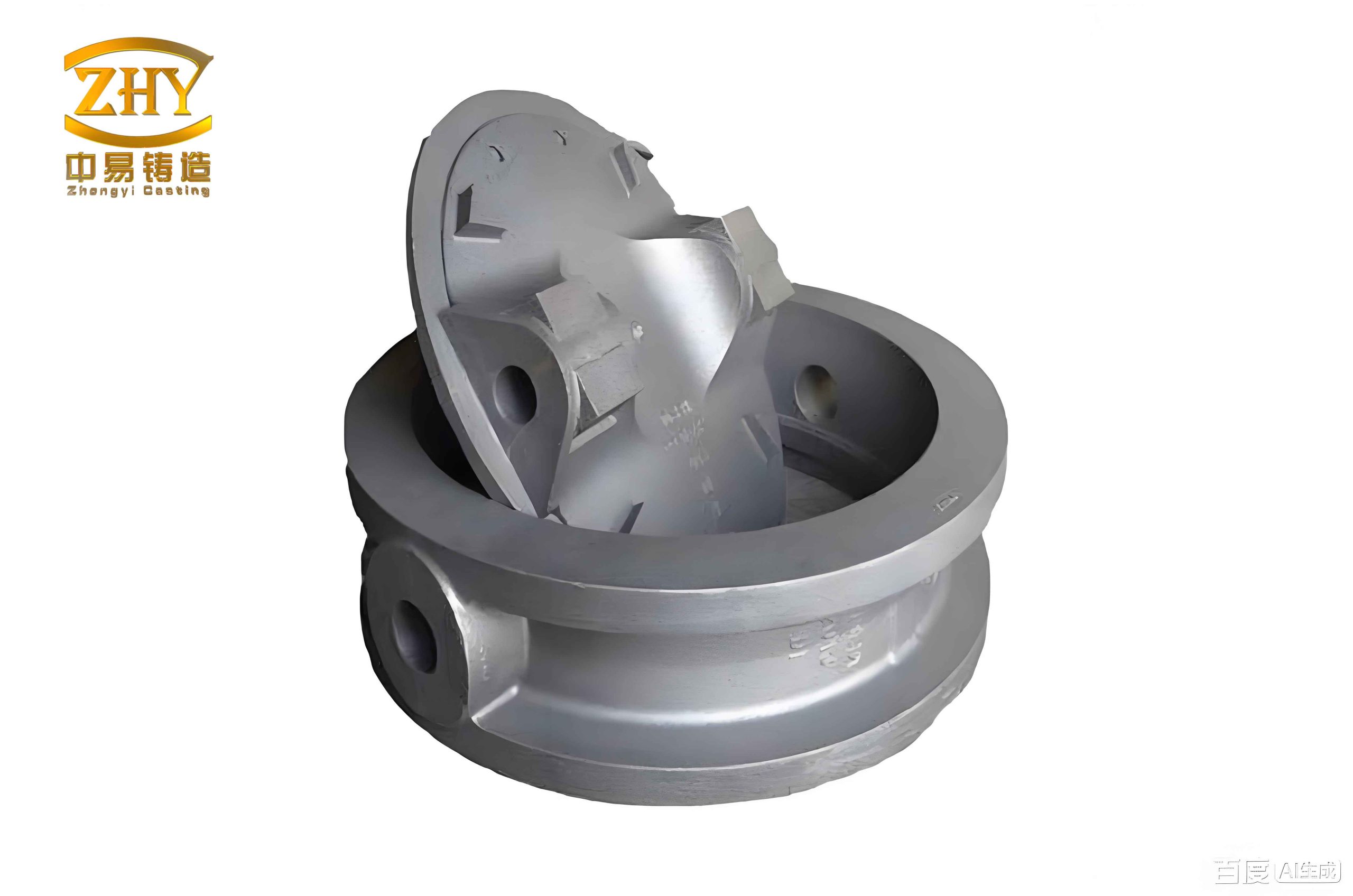
This work is dedicated to exploring the application of machine learning as a predictive tool for a critical foundry coating property. Our objective is to construct robust, accurate, and generalizable computational models capable of predicting the suspensibility of sand casting coatings based solely on their compositional inputs. We leverage a curated dataset from published literature to train and validate two distinct yet powerful ML algorithms: Support Vector Regression (SVR) and Back Propagation Neural Network (BPNN). The journey involves critical steps of data preparation, intelligent feature (variable) selection to enhance model interpretability and performance, meticulous model training and hyperparameter tuning, and rigorous validation. The successful implementation of such models represents a significant step towards intelligent foundry practice, where data and computation guide the development of superior coatings, ensuring consistent and high-quality sand casting products.
1. Foundational Framework: Dataset, Methodology, and Computational Tools
1.1 Compositional Dataset for Suspensibility Modeling
The efficacy of any data-driven model is fundamentally tied to the quality and relevance of its underlying dataset. For this study, a dataset focusing on the suspensibility of sand casting coatings was systematically compiled from existing technical literature. The dataset comprises 12 distinct coating formulations, each with a measured suspensibility value (the target property, denoted as \(Y\)) expressed as a percentage, ranging from 93.0% to 99.0%. Each formulation is defined by 14 compositional variables, representing the concentration (typically in parts by weight relative to a base) of key ingredients commonly used in coating recipes. These input features (\(X_1\) through \(X_{14}\)) are enumerated below:
- \(X_1\): Zircon Flour
- \(X_2\): Quartz Flour
- \(X_3\): Bauxite
- \(X_4\): Forsterite/Olivine
- \(X_5\): Magnesium Silicate Powder
- \(X_6\): Graphite
- \(X_7\): Brown Fused Alumina
- \(X_8\): Talc
- \(X_9\): Sepiolite
- \(X_{10}\): 97 Suspension Agent
- \(X_{11}\): LA Suspension Agent
- \(X_{12}\): SN Suspension Agent
- \(X_{13}\): 2123 Resin
- \(X_{14}\): Iron Oxide Red
A fundamental principle in machine learning is to evaluate a model’s predictive power on unseen data. Therefore, the complete dataset was partitioned into two subsets: a Training Set for building (training) the models, and a Test Set for providing an unbiased evaluation of their final performance. The partitioning followed two strict guidelines: 1) Test set samples should not have the extreme maximum or minimum suspensibility values to avoid extrapolation beyond the model’s learned range, and 2) The test set should constitute 20-30% of the total data. Following these principles, the formulations corresponding to sample indices 7 and 12 were held out as the external test set. The remaining 10 samples formed the training set used for model development and internal validation. A subset of the data is presented in Table 1 for illustration.
| Sample ID | Suspensibility, \(Y\) (%) | \(X_1\): Zircon (wt. part) | \(X_6\): Graphite (wt. part) | … (Other \(X_{2-5,7-14}\)) | Set |
|---|---|---|---|---|---|
| 1 | 99.0 | 100 | 0 | … | Training |
| 2 | 94.5 | 0 | 0 | … | Training |
| 3 | 99.0 | 70 | 0 | … | Training |
| … | … | … | … | … | … |
| 7* | 95.0 | 10 | 25 | … | Test |
| … | … | … | … | … | … |
| 12* | 97.0 | 20 | 0 | … | Test |
1.2 Machine Learning Methodologies: SVR and BPNN
1.2.1 Support Vector Regression (SVR)
Support Vector Regression is a robust supervised learning algorithm derived from the principles of Statistical Learning Theory. It is particularly adept at handling non-linear relationships and small datasets—a common scenario in materials science. The core idea of SVR is to find a function \(f(x)\) that deviates from the actual observed target values \(y_i\) by a value no greater than a predefined margin \(\epsilon\) for all training data, while simultaneously being as “flat” as possible (to ensure generalization). For non-linear problems, data is mapped into a higher-dimensional feature space via a kernel function \(\phi(x)\), where a linear regression is performed.
The primal optimization problem for SVR can be formulated as:
$$
\min_{w, b, \xi_i, \xi_i^*} \frac{1}{2} ||w||^2 + C \sum_{i=1}^{n} (\xi_i + \xi_i^*)
$$
subject to the constraints:
$$
y_i – (w \cdot \phi(x_i) + b) \leq \varepsilon + \xi_i,
$$
$$
(w \cdot \phi(x_i) + b) – y_i \leq \varepsilon + \xi_i^*,
$$
$$
\xi_i, \xi_i^* \geq 0.
$$
Here, \(w\) is the weight vector, \(b\) is the bias term, \(C > 0\) is the regularization parameter (penalty factor) that controls the trade-off between model complexity and the tolerance for errors larger than \(\epsilon\), and \(\xi_i, \xi_i^*\) are slack variables that allow for some data points to lie outside the \(\epsilon\)-tube.
Using the method of Lagrange multipliers, we solve the dual problem. The resulting SVR function used for prediction has the form:
$$
f(x) = \sum_{i=1}^{n} (\alpha_i – \alpha_i^*) K(x_i, x) + b
$$
where \(\alpha_i, \alpha_i^*\) are the Lagrange multipliers, and \(K(x_i, x_j) = \phi(x_i) \cdot \phi(x_j)\) is the kernel function. In this work, the Radial Basis Function (RBF) kernel was employed due to its effectiveness and flexibility:
$$
K(x_i, x_j) = \exp(-\gamma ||x_i – x_j||^2)
$$
where \(\gamma\) is a kernel parameter that defines the influence radius of a single training example.
1.2.2 Back Propagation Neural Network (BPNN)
The Back Propagation Neural Network is a classic and widely used type of artificial neural network. It consists of an input layer, one or more hidden layers, and an output layer, with interconnected nodes (neurons) possessing adjustable weights. The “back propagation” refers to the learning algorithm, which is a supervised gradient-descent method. The process involves two primary phases: a forward pass, where input data is propagated through the network to produce an output, and a backward pass, where the error (difference between predicted and actual output) is propagated back through the network to adjust the weights, minimizing the overall error function (typically Mean Squared Error). For a network with one hidden layer, the calculation for a single output can be summarized as:
Let the input vector be \(\mathbf{x}\). The output of the \(j\)-th neuron in the hidden layer is:
$$
h_j = \sigma^{(1)}(\sum_{i} w_{ji}^{(1)} x_i + b_j^{(1)})
$$
where \(\sigma^{(1)}\) is the hidden layer activation function (e.g., sigmoid, tanh, ReLU), \(w_{ji}^{(1)}\) are the weights from input \(i\) to hidden neuron \(j\), and \(b_j^{(1)}\) is the bias. The final network output is then:
$$
\hat{y} = \sigma^{(2)}(\sum_{j} w_{j}^{(2)} h_j + b^{(2)})
$$
where \(\sigma^{(2)}\) is the output layer activation function (often linear for regression), \(w_{j}^{(2)}\) are the weights from the hidden layer to the output, and \(b^{(2)}\) is the output bias. The BPNN algorithm iteratively adjusts all \(w\) and \(b\) parameters to minimize the prediction error across the training set, allowing it to model highly complex, non-linear relationships critical for predicting properties of materials like coatings for sand casting products.
1.3 Model Performance Evaluation Metrics
To quantitatively assess and compare the predictive accuracy of the developed models, standard regression metrics were employed. These metrics provide a clear, numerical measure of the agreement between the experimentally observed suspensibility values and the model predictions.
- Root Mean Square Error (RMSE): This metric measures the standard deviation of the prediction errors (residuals). It is sensitive to large errors and is expressed in the same units as the target variable.
$$
RMSE = \sqrt{\frac{1}{n} \sum_{i=1}^{n} (y_i – \hat{y}_i)^2}
$$ - Mean Relative Error (MRE): This metric expresses the average error as a percentage of the true value, providing a scale-independent view of accuracy.
$$
MRE = \frac{100\%}{n} \sum_{i=1}^{n} \frac{|y_i – \hat{y}_i|}{y_i}
$$ - Coefficient of Determination (R² or Q²): For the training fit, it’s denoted as R². For validation sets (like cross-validation or test sets), it’s often denoted as Q². It indicates the proportion of variance in the target variable that is predictable from the input features. A value of 1 indicates perfect prediction.
$$
Q^2 = 1 – \frac{\sum_{i=1}^{n} (y_i – \hat{y}_i)^2}{\sum_{i=1}^{n} (y_i – \bar{y})^2}
$$
where \(\bar{y}\) is the mean of the observed data.
1.4 Computational Implementation
All computational workflows for this study, including data preprocessing, feature selection, model training, hyperparameter optimization, and validation, were executed on a dedicated online platform for materials data mining. Such platforms integrate various ML algorithms and validation protocols, providing an accessible and efficient environment for conducting data-driven materials research without the need for extensive low-level programming, thereby accelerating the path to developing better processes for sand casting products.
2. Strategic Variable Selection via Genetic Algorithm
While having 14 input variables provides comprehensive information, it also introduces the “curse of dimensionality” and increases the risk of overfitting, especially with a limited dataset of 12 samples. Overfitting occurs when a model learns not only the underlying relationship but also the noise in the training data, severely hampering its ability to generalize to new, unseen formulations. Therefore, feature selection—the process of identifying the most relevant subset of input variables—is a critical preprocessing step. It simplifies the model, reduces computational cost, improves interpretability, and often enhances predictive performance by eliminating redundant or irrelevant features that act as noise.
In this work, a Genetic Algorithm (GA) was employed as an intelligent search strategy to find the optimal feature subset. GA is a metaheuristic inspired by natural selection. It operates on a population of candidate solutions (here, different subsets of features), each represented as a binary chromosome where a ‘1’ indicates the feature is included and a ‘0’ indicates it is excluded. The algorithm evolves the population over generations through selection, crossover, and mutation operations, guided by a fitness function. The fitness function evaluates how good a particular feature subset is; in this case, the fitness was defined as the Root Mean Square Error (RMSE) of a predictive model (using SVR with a simple configuration) built using only the features in that subset and evaluated via internal cross-validation on the training data. The GA seeks to minimize this RMSE.
The evolutionary progression of the GA is illustrated conceptually below, showing how the minimum RMSE in the population decreases over generations as the algorithm converges toward an optimal feature set.
[The process would show iterative improvement in the minimum RMSE achieved by candidate feature subsets across generations.]
After convergence, the GA identified a compact yet highly predictive feature subset consisting of only two key compositional variables: \(X_1\) (Zircon Flour) and \(X_6\) (Graphite). This remarkable result suggests that, for this specific dataset and property (suspensibility), the concentrations of zircon and graphite are the primary compositional drivers. Zircon is known for its high refractoriness and density, while graphite can affect rheology and particle interactions. Their combined influence appears to dominate the suspensibility behavior within the compositional space studied, providing a profound insight for formulators focused on coatings for high-demand sand casting products. All subsequent SVR and BPNN models were therefore built using this optimal two-dimensional input vector \([X_1, X_6]\).
3. Model Development, Optimization, and Performance Analysis
3.1 Development of the RBF-SVR Model
With the optimal features (\(X_1\) and \(X_6\)) selected, the next step was to construct and fine-tune the RBF-SVR model. The performance of an SVR model is highly sensitive to the setting of its hyperparameters: the penalty factor \(C\), the epsilon-tube width \(\epsilon\), and the RBF kernel parameter \(\gamma\). To find the optimal triplet (\(C^*, \epsilon^*, \gamma^*\)), a systematic grid search coupled with Leave-One-Out Cross-Validation (LOOCV) on the 10-sample training set was conducted. LOOCV is a rigorous internal validation technique where the model is trained on all but one sample and tested on the left-out sample; this is repeated until each sample has served as the test once. The hyperparameter combination yielding the lowest average MRE across all LOOCV folds was selected.
The grid search ranges were: \(C\) from 1 to 100, \(\epsilon\) from 0.01 to 0.1, and \(\gamma\) from 0.5 to 1.5. The optimal hyperparameters were found to be: \(C^* = 5\), \(\epsilon^* = 0.01\), and \(\gamma^* = 0.9\). These values strike a balance, creating a model complex enough to capture the underlying trend but regularized enough to avoid overfitting to the noise in the small training set—a crucial consideration for reliable prediction of coating performance for sand casting products.
The final RBF-SVR model, defined by these parameters and the support vectors from the training data, takes the form:
$$
\hat{Y}_{SVR} = \sum_{i \in SV} (\alpha_i – \alpha_i^*) \exp(-0.9 \cdot ||\mathbf{x} – \mathbf{x}_i||^2) + b
$$
where \(\mathbf{x} = [X_1, X_6]\) is the input vector for a new coating formulation, \(\mathbf{x}_i\) are the support vector inputs from the training set, and the sum is over all identified support vectors.
The performance of this optimized model was exceptional. On the entire training set, the fit was nearly perfect with RMSEtrain = 0.892, R² = 0.959, and Q²train = 0.919. More importantly, the internal LOOCV performance, which is a better indicator of generalization ability, was also strong: RMSECV = 1.009, RCV = 0.931, Q²CV = 0.858. A plot of predicted versus experimental suspensibility for both training and test sets would show points clustered tightly around the ideal y=x line, visually confirming the model’s accuracy.
3.2 Development of the BPNN Model
To provide a comparative perspective, a BPNN model was also constructed using the same two-input feature set (\(X_1, X_6\)). The network architecture was designed with one hidden layer. Determining the optimal number of neurons in this hidden layer is key; too few can’t capture complexity, too many may overfit. Based on the problem’s dimensionality and dataset size, a configuration with 2 neurons in the hidden layer was chosen (input: 2 nodes, hidden: 2 nodes, output: 1 node). The activation function for the hidden layer was the hyperbolic tangent (tanh), and a linear activation was used for the output node suitable for regression. The model was trained using the backpropagation algorithm with a gradient-based optimizer to minimize the Mean Squared Error on the training data.
The BPNN model demonstrated excellent learning capability. On the training data, it achieved an outstanding fit: RMSEtrain = 0.177, R² = 0.998, Q²train = 0.996. Its LOOCV performance was RMSECV = 1.634, RCV = 0.836, Q²CV = 0.688. While the training fit is superior to the SVR model, the LOOCV metrics are slightly lower, which is a common observation indicating a different bias-variance trade-off. Both models, however, show significant predictive potential.
3.3 External Validation and Comparative Analysis
The ultimate test of any predictive model is its performance on completely independent, unseen data—the external test set. This simulates the real-world scenario of predicting the property of a brand-new coating formulation. Table 2 presents the experimental suspensibility values for the two test samples alongside the predictions from both the RBF-SVR and BPNN models, along with the absolute relative error for each prediction.
| Test Sample ID | Experimental \(Y_{exp}\) (%) | RBF-SVR Prediction \(\hat{Y}_{SVR}\) (%) | RBF-SVR Abs. Error (%) | BPNN Prediction \(\hat{Y}_{BPNN}\) (%) | BPNN Abs. Error (%) |
|---|---|---|---|---|---|
| 7 | 95.0 | 95.13 | 0.14 | 95.24 | 0.25 |
| 12 | 97.0 | 95.91 | 1.12 | 96.09 | 0.94 |
| Average | — | — | 0.63 | — | 0.60 |
The results are highly encouraging. For both unseen formulations, the predictions from both models are remarkably close to the experimental values, with absolute relative errors consistently below 1.2%. The BPNN model shows a marginally lower average error (0.60%) compared to the SVR model (0.63%) on this specific test set. This level of accuracy, achieving predictions within about ±1% of the true suspensibility, has profound practical implications. It means a foundry engineer can input the planned amounts of zircon and graphite into these models and receive a reliable estimate of the resulting suspension stability. This can guide formulation adjustments virtually, ensuring the coating will perform as required before any material is mixed, directly contributing to the reliability of the subsequent sand casting products. The close agreement between two fundamentally different algorithms (SVR and BPNN) also reinforces the validity of the identified feature set (\(X_1, X_6\)) as key predictors and increases confidence in the predictions.
4. Discussion: Implications, Limitations, and Future Directions
The successful application of SVR and BPNN to predict the suspensibility of foundry coatings signifies a meaningful advancement towards data-driven foundry science. The ability to accurately predict a critical coating property from just two compositional inputs demonstrates the power of machine learning to extract profound insights from limited data. This work moves beyond mere correlation; it establishes a quantitative, computable relationship. For industries producing precision sand casting products, such as automotive or aerospace components, where coating consistency is non-negotiable, this approach offers a tangible method to reduce variability and scrap rates.
The strategic variable selection via Genetic Algorithm was particularly insightful. It distilled the problem from 14 potential factors down to 2 primary drivers: Zircon Flour (\(X_1\)) and Graphite (\(X_6\)). This simplification is invaluable. It tells the formulator that, within the bounds of this study, focusing experimental effort on optimizing the ratio and concentration of these two ingredients is likely the most efficient path to controlling suspensibility. It also aids in root-cause analysis: if a batch of coating shows poor suspension, the primary suspects from a compositional standpoint are deviations in the zircon or graphite content. This knowledge streamlines troubleshooting and quality control processes for coatings used in critical sand casting products.
However, the study’s limitations must be acknowledged to frame its conclusions properly and guide future work. The most significant constraint is the size of the dataset (12 samples). While ML can work with small data, the models’ absolute generalizability to a vastly broader chemical space is uncertain. The models are reliable within the interpolative range of the training data but should be used cautiously for extrapolation. Furthermore, the dataset only includes compositional information. Other critical factors known to affect suspensibility—such as particle size distribution of the refractories, type and concentration of the liquid carrier (water, alcohol), milling time, and the use of other organic additives (biocides, wetting agents)—were not included as variables. Their absence means the current models capture a specific slice of reality.
The future trajectory of this research is clear and promising. The foremost task is dataset expansion. Collaborating with foundries and coating suppliers to build a comprehensive, multi-source database that includes the full spectrum of variables (composition, particle specs, processing parameters) for hundreds of formulations would be transformative. With a larger, more diverse dataset, more complex and universally accurate models can be built. This could involve ensemble methods (like Random Forest or Gradient Boosting) or advanced deep learning architectures. Furthermore, the methodology proven here for suspensibility should be extended to predict other key coating properties simultaneously—such as viscosity, density, refractoriness, and gas evolution—leading to a multi-target optimization system. Imagine a software tool where a foundry engineer inputs the desired characteristics for a coating used in a specific sand casting product (e.g., high thermal insulation for a thin-section casting, or high erosion resistance for a heavy-section casting), and the system suggests several optimal compositional recipes along with their predicted property profiles. This is the pinnacle of the “materials design” philosophy applied to foundry consumables.
5. Conclusion
In conclusion, this work has effectively demonstrated the feasibility and value of employing machine learning as a predictive tool in the domain of foundry coating technology. By leveraging a curated dataset and implementing a rigorous workflow involving intelligent feature selection via Genetic Algorithm, we developed two robust predictive models—a Radial Basis Function Support Vector Regression (RBF-SVR) model and a Back Propagation Neural Network (BPNN) model. Both models, utilizing only the concentrations of Zircon Flour and Graphite as inputs, achieved high predictive accuracy for coating suspensibility, as confirmed by stringent internal cross-validation and successful external testing on unseen formulations. The prediction errors for new compositions were well within a practically useful range of about ±1%. This capability to virtually screen and predict coating performance before physical blending represents a paradigm shift. It offers a clear path to reduce the time, cost, and material waste associated with the traditional empirical development cycle. For foundries dedicated to manufacturing high-quality, reliable sand casting products, the integration of such data-driven models into their coating design and quality assurance protocols can lead to enhanced process control, reduced defects, and accelerated innovation. This study thus serves as both a proof-of-concept and a foundational blueprint, paving the way for more comprehensive, multi-property optimization systems that will drive the foundry industry towards greater efficiency and intelligence.