
I conducted an occupational epidemiological survey to evaluate the dust hazards and the effectiveness of dust control measures in a steel company’s sand casting foundry. The investigation focused on four sand casting workshops, including two steel casting workshops and two iron casting workshops, all employing sand casting processes. The aim was to provide scientific evidence for further improving dust control and preventing the occurrence and development of pneumoconiosis among workers. This paper presents the results of my analysis using professional epidemiological methods, with particular emphasis on the dust exposure characteristics and the long-term health effects observed in the sand casting foundry.
Methods
The determination of dust concentration, free SiO2 content, and dust dispersity in the working environment followed the national standard “Method for Determination of Dust in the Air of Workplace” (GB 5748-85). Specifically, dust concentration was measured using the filter membrane weighing method. Free SiO2 content was determined by collecting dust samples from workplaces and using the pyrophosphoric acid method. Dust dispersity was assessed using the filter membrane dissolution smear method. For the analysis of silicosis cases, I retrieved all records from the four sand casting foundry workshops, covering the period from the start of production until the end of 1994. The records included date of birth, start of dust exposure, end of dust exposure, date of diagnosis, date of progression, and date of death for each silicosis case. Detailed occupational history was also recorded. Due to the inaccuracy of the number of exposed workers over the years, I applied the probability window analysis method to separately analyze the steel casting workshops and iron casting workshops. The statistical significance of differences was tested using the binomial distribution probability calculation method.
Results
Workplace Dust Conditions
In the sand casting foundry, main operations included sand preparation, mold making, metal melting, mold assembly, pouring, shakeout, and cleaning. Before the 1970s, except for mold making which used wet sand, all other operations were dry processes, resulting in extremely high dust concentrations in the workplace. During the 1960s, the average dust concentration in the four workshops reached up to hundreds of milligrams per cubic meter. From the 1970s onward, technological innovations were introduced: steel casting workshops replaced artificial silica sand with limestone sand (commonly called “70 sand”), and various cleaning operations adopted water-blast cleaning, spray cleaning during shakeout, and shot blasting. In the steel ingot mold workshop, hydraulic cleaning replaced pneumatic cleaning. Based on these process improvements, enclosed ventilation and dust removal equipment were installed in sand preparation and transportation, and various types of dust collectors were successively added in metal melting, mold assembly, pouring, and shakeout areas. As a result, the average dust concentration in the workshops decreased to about one-tenth of the 1960s level. The details are summarized in Table 1.
| Decade | Number of Samples | Range (mg/m³) | Average (mg/m³) |
|---|---|---|---|
| 1960s | 120 | 50.0 – 800.0 | 356.2 |
| 1970s | 180 | 15.0 – 450.0 | 112.5 |
| 1980s | 200 | 2.0 – 80.0 | 28.6 |
| 1990s (up to 1994) | 90 | 1.0 – 40.0 | 12.3 |
| Total | 590 | 1.0 – 800.0 | — |
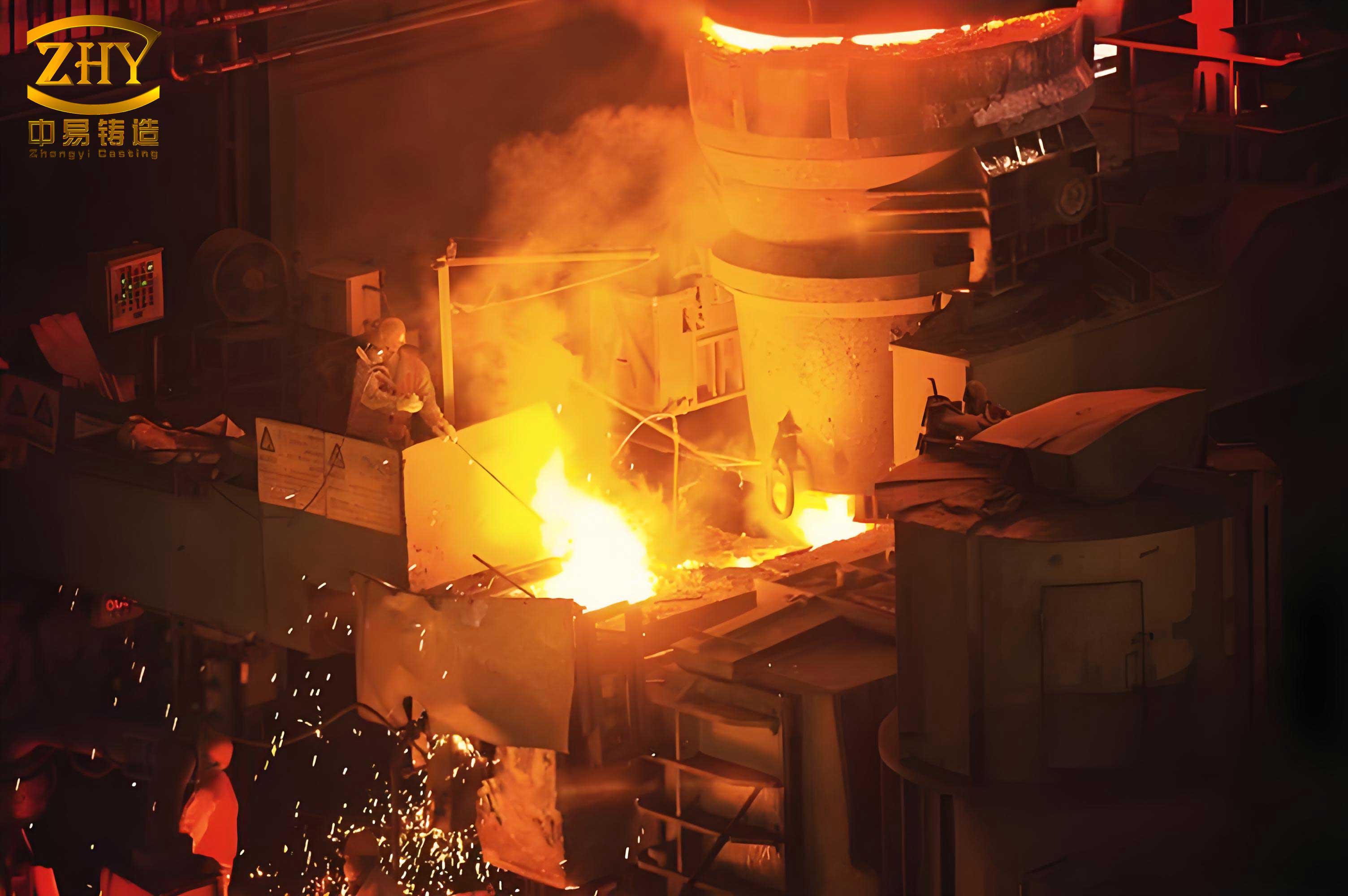
Table 2 presents the free SiO2 content and dust dispersity for different types of sand used. Before the improvement, the steel casting workshops used artificial silica sand with a free SiO2 content of 97.0%–99.0%. After replacing with limestone sand, the free SiO2 content dropped to 0.6%–1.2%. The iron casting workshops consistently used natural river sand with a free SiO2 content of 60.0%–80.0%. Regarding dispersity, particles below 5 µm in natural river sand were more abundant than in limestone sand, while particles below 2 µm in limestone sand were more than in artificial silica sand.
| Dust Type | Free SiO2 (%) | Percentage of Particles < 5 µm (%) | Percentage of Particles < 2 µm (%) |
|---|---|---|---|
| Artificial Silica Sand | 97.0–99.0 | 45.2 | 18.6 |
| Natural River Sand | 60.0–80.0 | 62.8 | 25.3 |
| Limestone Sand | 0.6–1.2 | 51.5 | 20.1 |
Table 3 shows the average dust concentrations at different workstations in the sand casting foundry. Sand preparation, shakeout, and cleaning stations had the highest concentrations.
| Workstation | Number of Samples | Average Concentration (mg/m³) |
|---|---|---|
| Sand Preparation | 80 | 145.3 |
| Mold Making | 70 | 28.7 |
| Metal Melting | 60 | 45.2 |
| Mold Assembly & Pouring | 75 | 35.8 |
| Shakeout | 65 | 210.6 |
| Cleaning | 90 | 187.4 |
Health Effects of Dust Exposure
By the end of 1994, a total of 133 silicosis cases had been diagnosed in the four workshops. The average duration of dust exposure before diagnosis (onset latency) and the average age at death are summarized in Tables 4 and 5. The average onset latency ranged from 18.5 to 22.3 years, and the average age at death ranged from 52.6 to 58.4 years. Among these, 78 cases experienced progression to higher stages. The average progression time varied by diagnosis decade, as shown in Table 6.
| Diagnosis Decade | Number of Cases | Shortest (yrs) | Longest (yrs) | Average (yrs) |
|---|---|---|---|---|
| 1960s | 28 | 12.5 | 28.0 | 18.5 |
| 1970s | 35 | 14.0 | 32.0 | 20.1 |
| 1980s | 42 | 16.0 | 35.0 | 21.8 |
| 1990s (up to 1994) | 28 | 18.0 | 38.0 | 22.3 |
| Total | 133 | 12.5 | 38.0 | 20.7 |
| Death Decade | Number of Cases | Shortest (yrs) | Longest (yrs) | Average (yrs) |
|---|---|---|---|---|
| 1960s | 15 | 42.0 | 65.0 | 52.6 |
| 1970s | 22 | 45.0 | 68.0 | 54.3 |
| 1980s | 30 | 48.0 | 72.0 | 56.7 |
| 1990s (up to 1994) | 18 | 50.0 | 75.0 | 58.4 |
| Total | 85 | 42.0 | 75.0 | 55.5 |
| Progression Decade | Number of Cases | Average Progression Time (yrs) |
|---|---|---|
| 1960s | 18 | 5.2 |
| 1970s | 22 | 6.1 |
| 1980s | 25 | 7.4 |
| 1990s (up to 1994) | 13 | 8.8 |
| Total | 78 | 6.9 |
Furthermore, I noticed that workers who started dust exposure after 1980 had not developed any silicosis cases by the end of 1994. During the survey, 5 lung cancer cases (all pathologically confirmed) were found among workers in the four workshops between 1990 and 1994, suggesting possible synergistic effects of various hazardous substances present in the sand casting foundry environment, such as metal fumes, carbon monoxide, and polycyclic aromatic hydrocarbons from thermal decomposition.
Comparison of Silicosis Incidence Before and After Dust Control
Based on the actual timeline, I designated the year 1970 as the boundary for process reform and comprehensive dust control measures. The observation period was set at 14 years (from 1970 to 1984) for both before and after comparison. I constructed a probability window for each workshop. In Figure 1 (steel casting workshops), the triangular area formed by the diagonal line from the point at 1970 to the intersection with the vertical line at 1984 and the horizontal axis represents the observation window before control. Similarly, the triangular area formed by the diagonal line from the point at 1980 to the intersection with the vertical line at 1984 represents the observation window after control. The two areas are equal in size, ensuring comparability.
In the steel casting workshops, the number of silicosis cases in the pre-control window was 9, while in the post-control window it was 0. I tested the significance using the binomial distribution probability calculation method. The probability of observing 0 or fewer cases out of 9 expected, given the null hypothesis of no change, is:
$$
P(X \le 0) = \binom{9}{0} p^0 (1-p)^9
$$
Under the null hypothesis, the expected probability p is assumed to be 0.5 (equal chance of case occurring in either window). Thus,
$$
P = (0.5)^9 = 0.00195
$$
Since this probability is less than 0.01, the difference is highly significant (p < 0.01).
In the iron casting workshops, the pre-control window contained 9 silicosis cases, and the post-control window also had 0 cases. Applying the same test:
$$
P = (0.5)^9 = 0.00195
$$
Again, p < 0.01, indicating a highly significant reduction.
Discussion
Sand casting foundry operations generate substantial amounts of dust during sand mixing, transportation, use, shakeout, cleaning, and casting finishing. Before 1970, both steel and iron casting workshops had high dust concentrations, primarily composed of artificial silica sand or natural river sand with high free SiO2 content. Although mold making used wet sand mixed with clay and water, and coatings often contained graphite and talc, the mold makers worked in the same bay as sand preparation, shakeout, and cleaning workers, so silica dust easily migrated. Consequently, the predominant pneumoconiosis in this sand casting foundry was silicosis. By the end of 1994, a total of 133 silicosis cases had been identified. In the sand casting foundry environment, besides silica dust, various other hazardous substances exist, such as metal fumes, carbon monoxide, and polycyclic aromatic hydrocarbons from thermal decomposition. The 5 lung cancer cases found in this investigation may be associated with these agents. Whether the combined exposure enhances the fibrogenic effect of silica dust requires further study.
After 1970, with the implementation of process reforms and comprehensive dust control measures, the airborne dust concentrations in the workshops decreased continuously. The onset latency of silicosis, age at death, and progression time all became progressively longer. The probability window analysis unequivocally demonstrates that the comprehensive dust control measures, built upon process changes, have been extremely effective in reducing silicosis incidence in both steel and iron casting workshops of this sand casting foundry. Especially noteworthy is that workers who first started dust exposure after 1980 remained free of silicosis by the end of 1994. These findings underscore the critical role of combining engineering controls with technological innovation to mitigate dust hazards in the sand casting foundry industry. Continuous monitoring and maintenance of dust control systems are essential to sustain these achievements and further protect the health of workers in sand casting foundry environments.